
PROJECT SUMMARY: S.T.E.A.M. Art Enrichment Program
Program Designer, Instructor
Overview
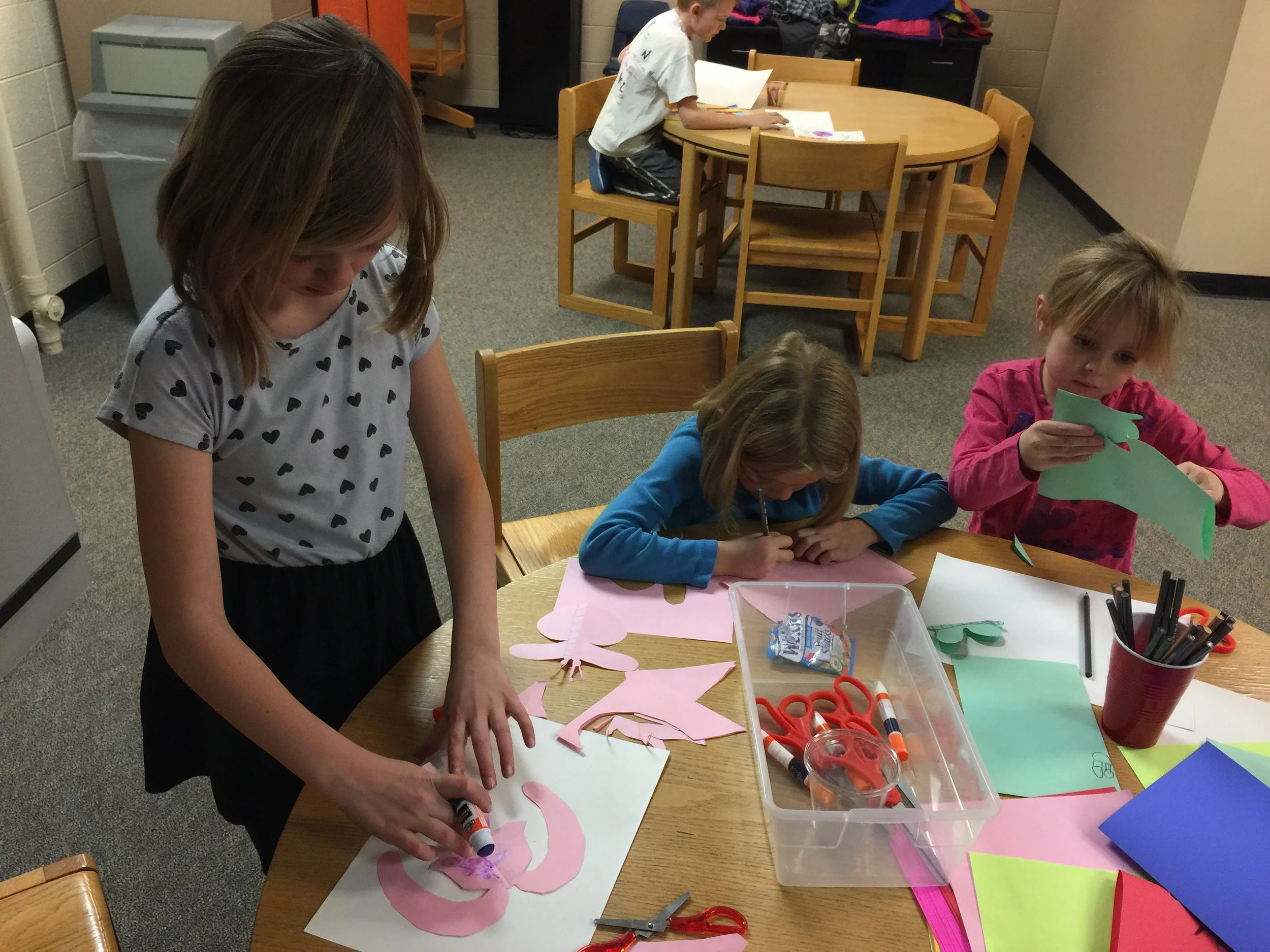
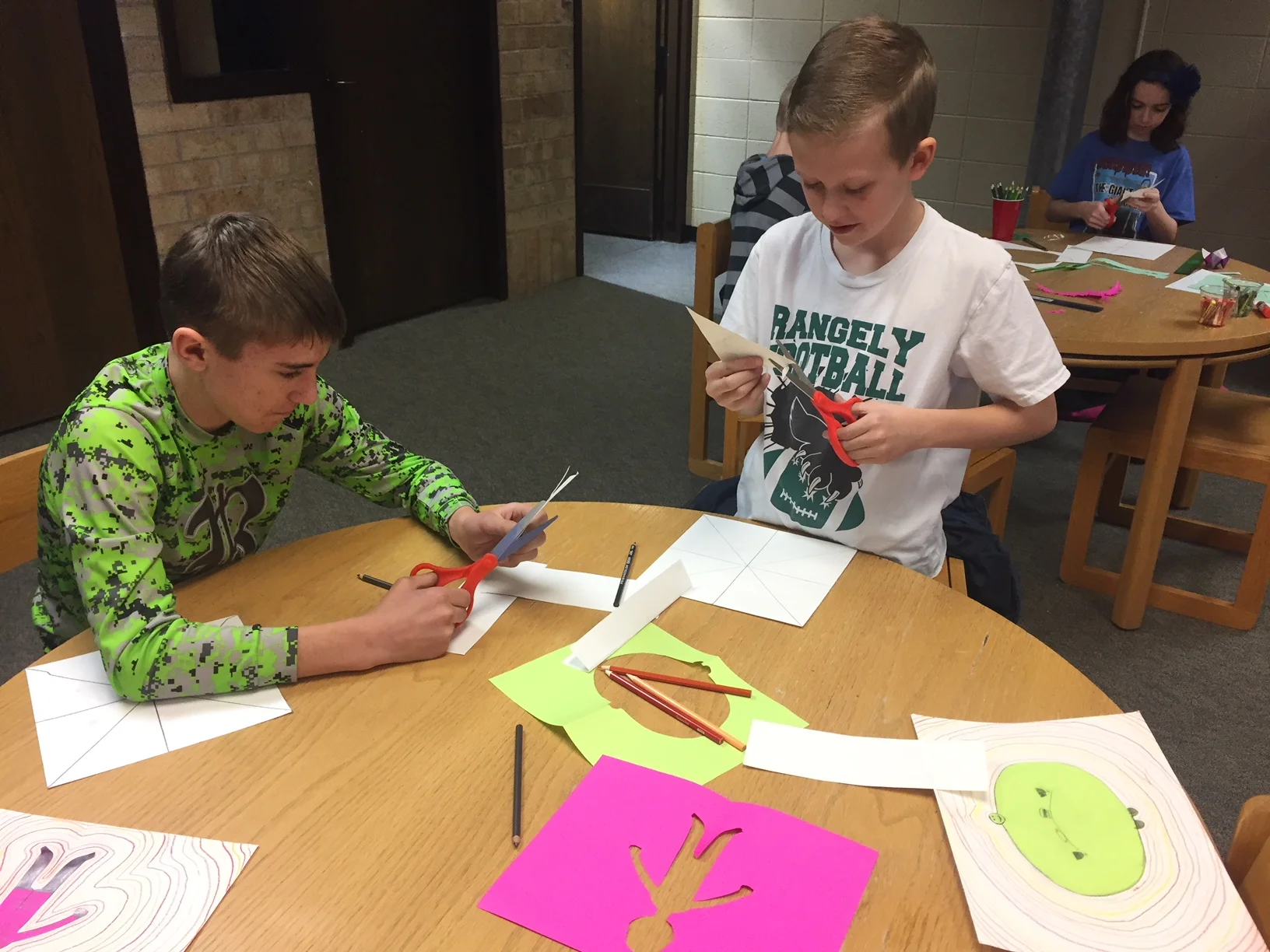
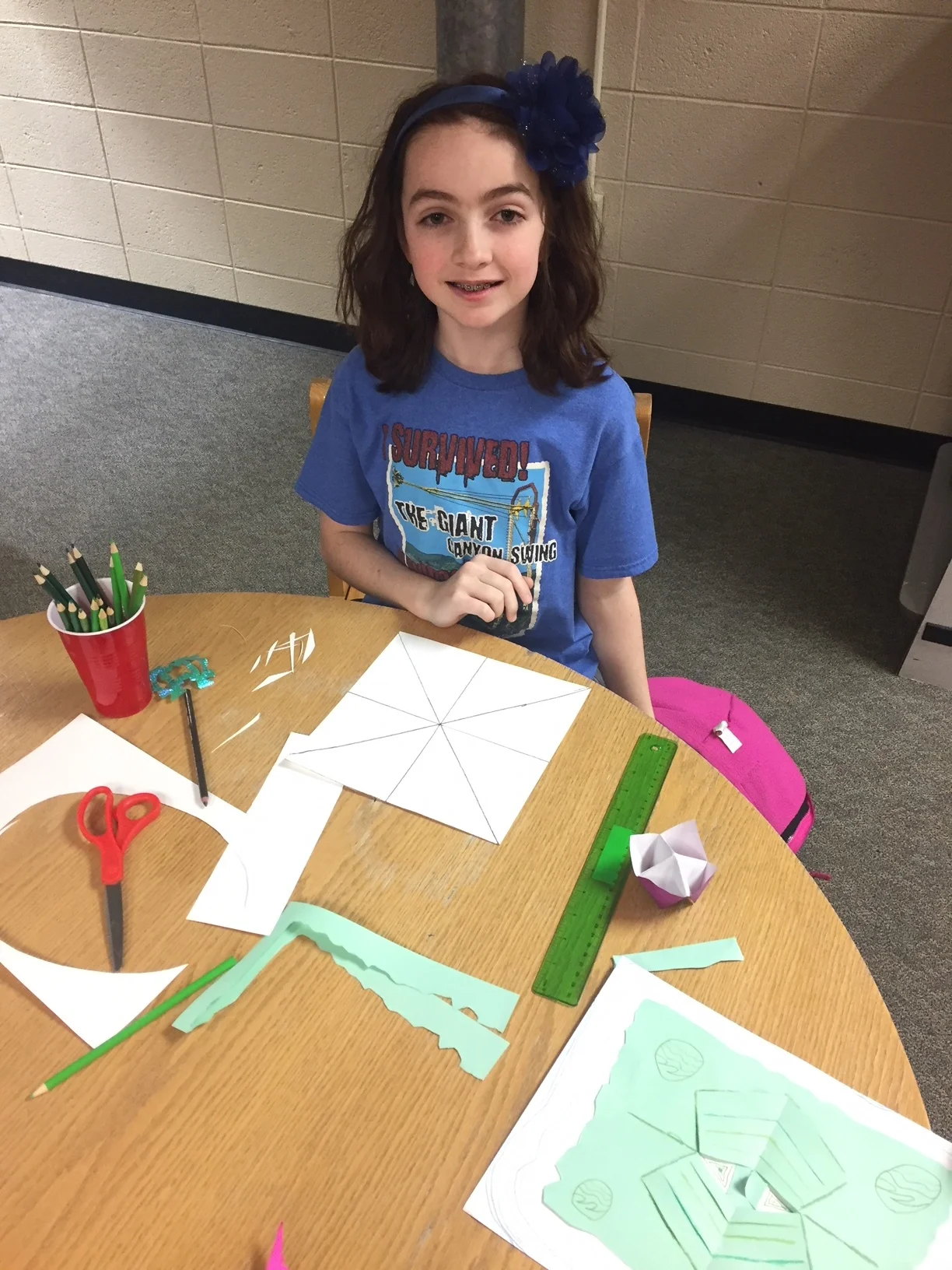
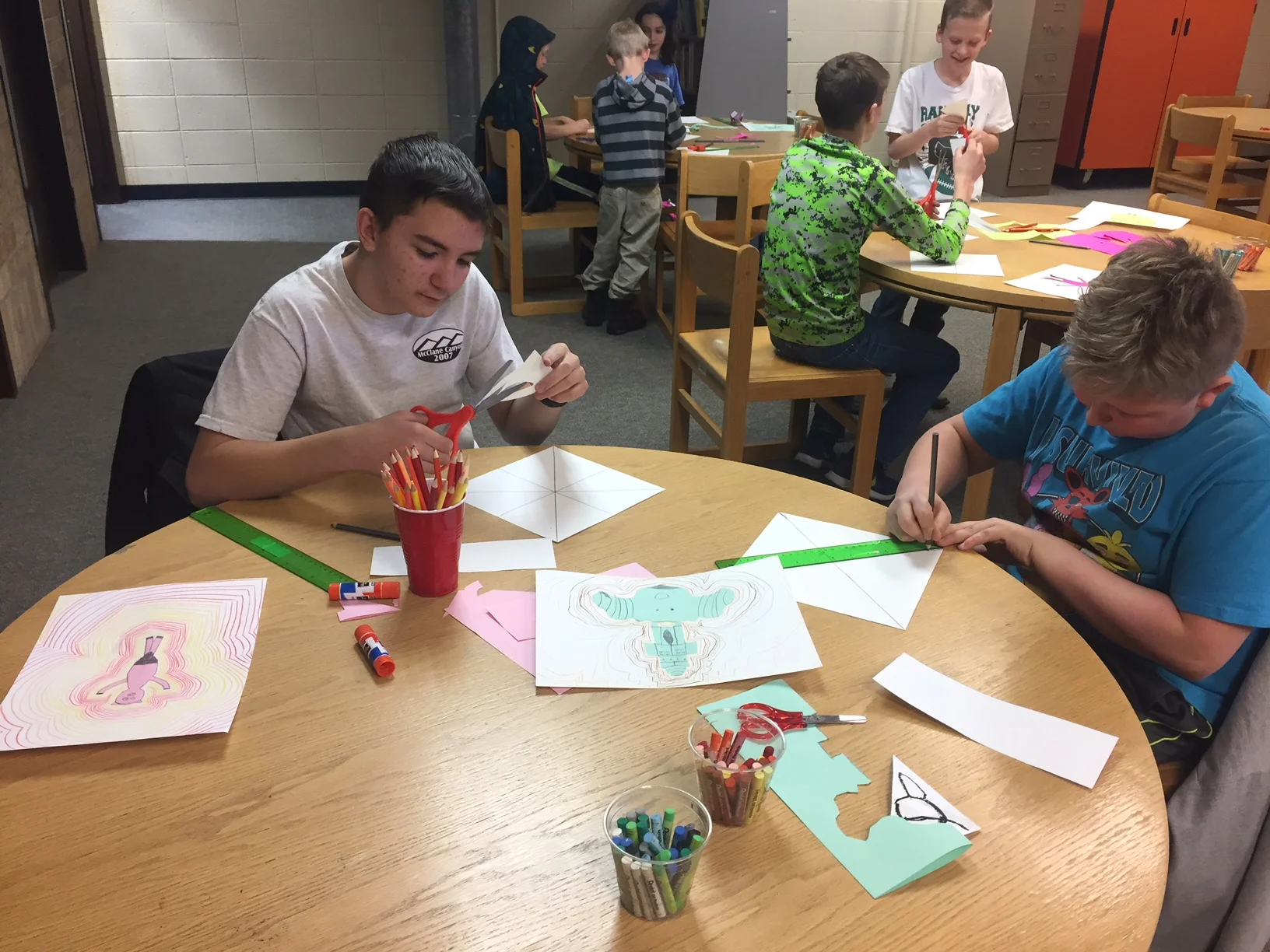
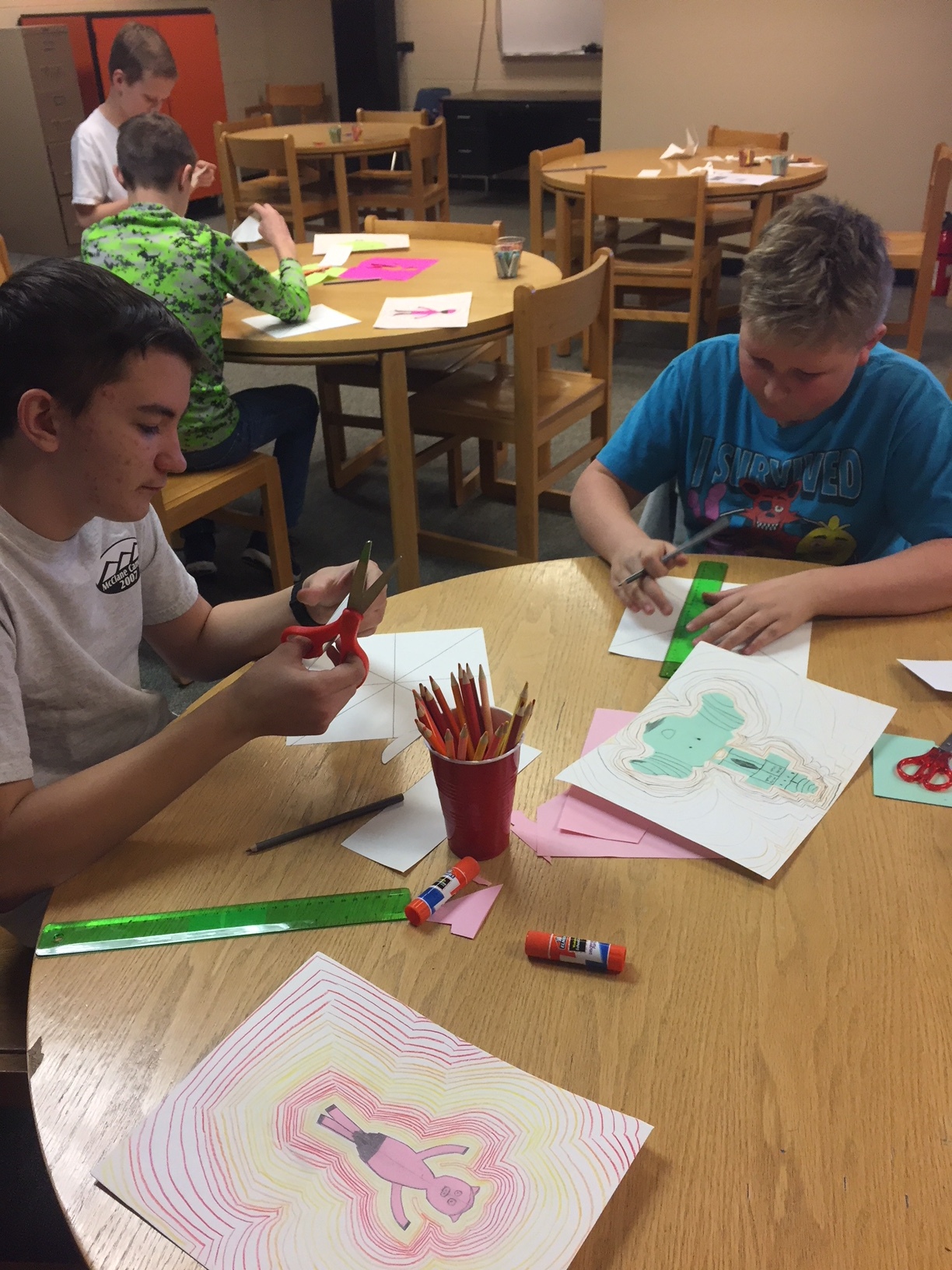
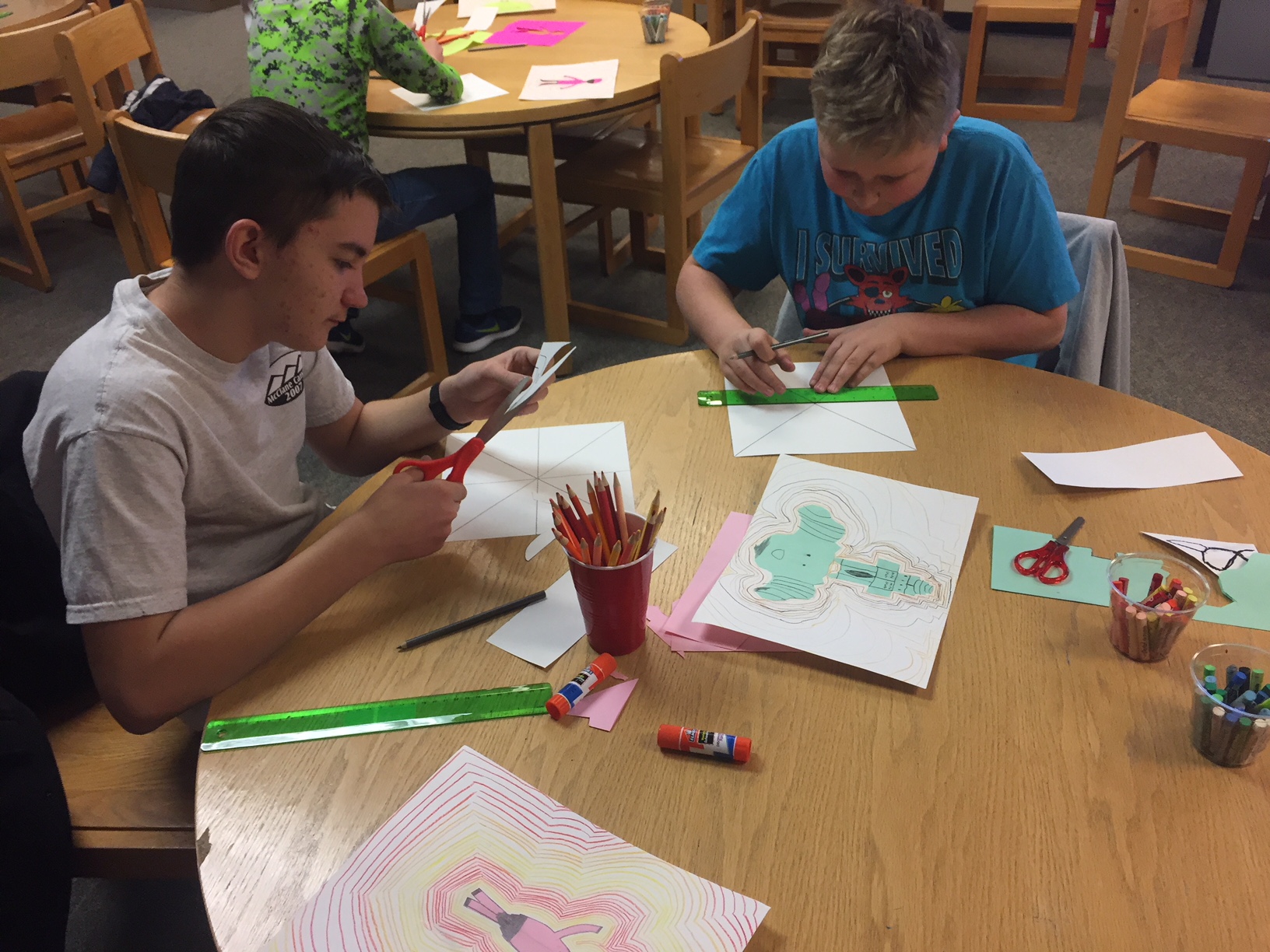
STEAM Art Class was an enrichment program I proposed and taught for the GT Program and Talent Pool at Parkview Elementary School in Rangely, Colorado. STEAM education expands on traditional STEM (science, technology, engineering, math) by integrating the arts as an essential way students learn creativity, communication, interpretation, and human-centered problem solving.
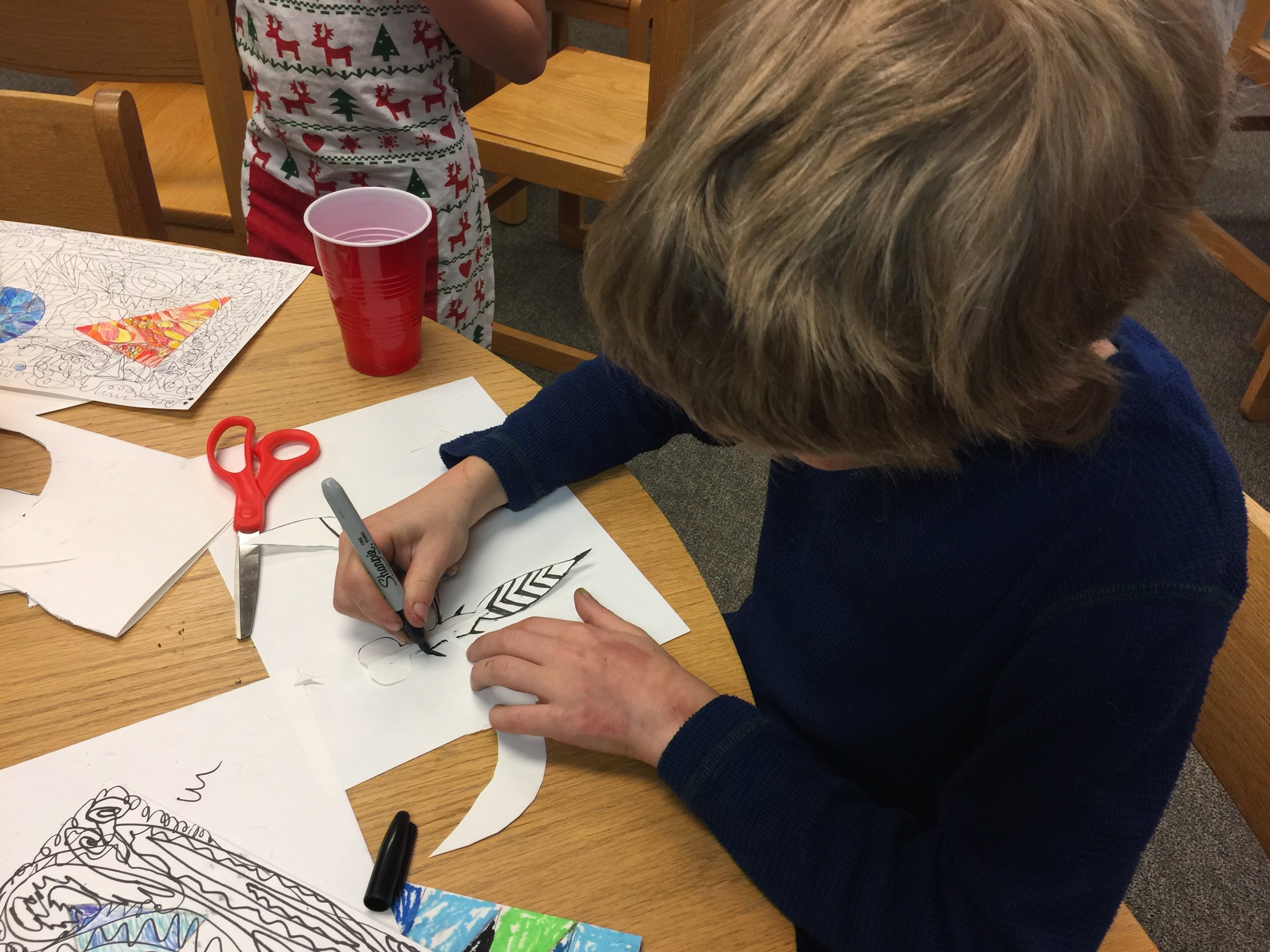
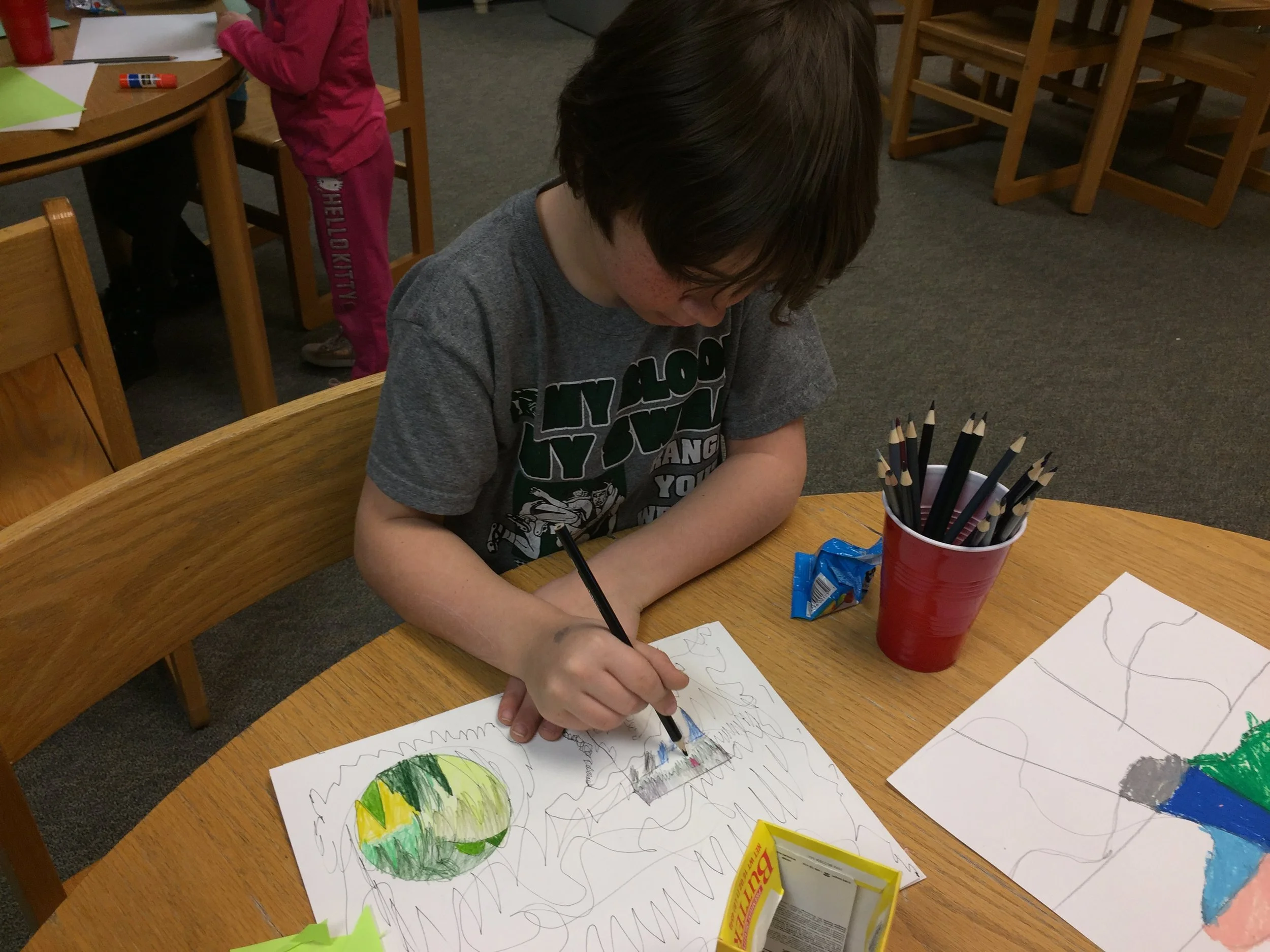
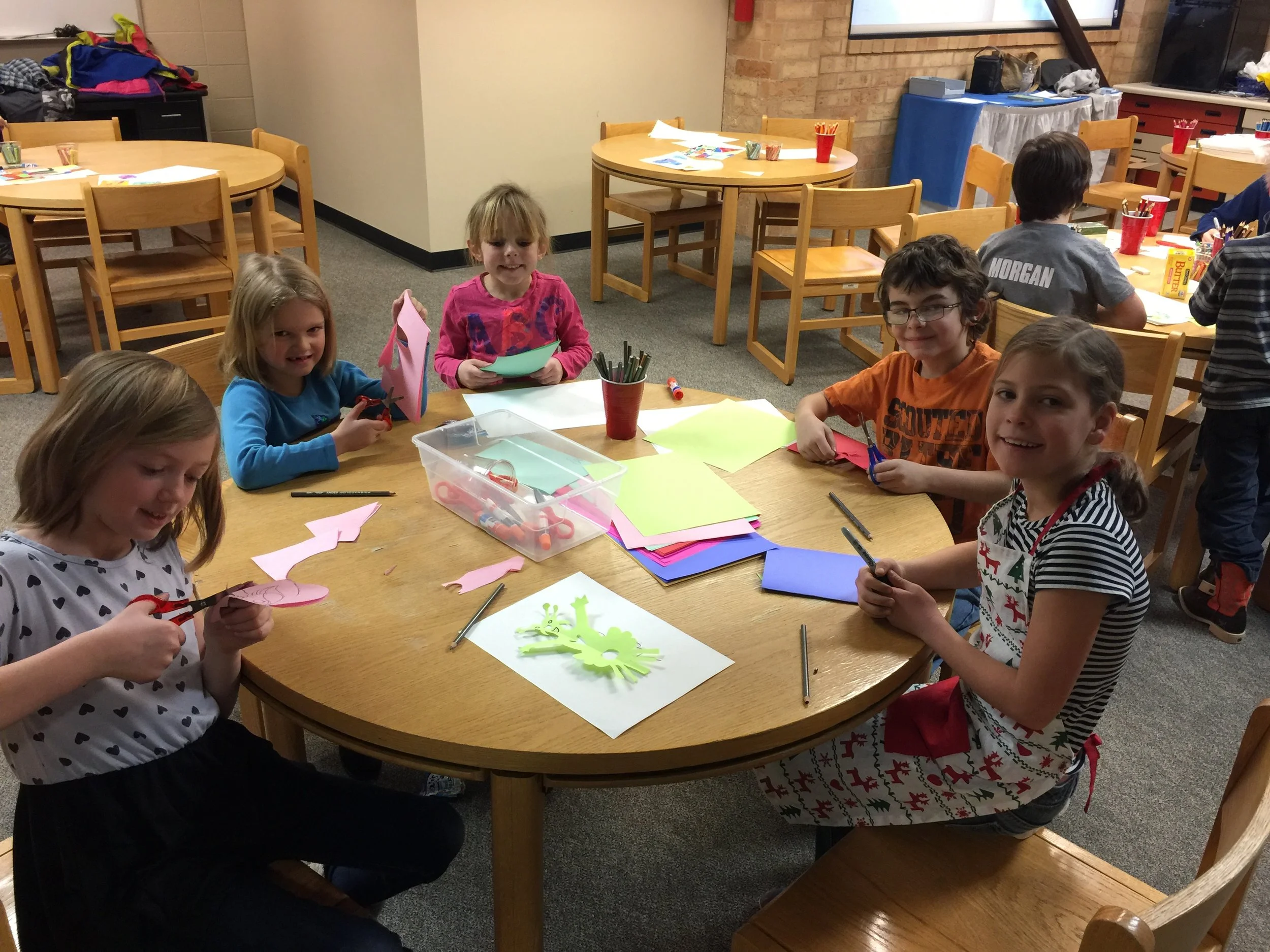
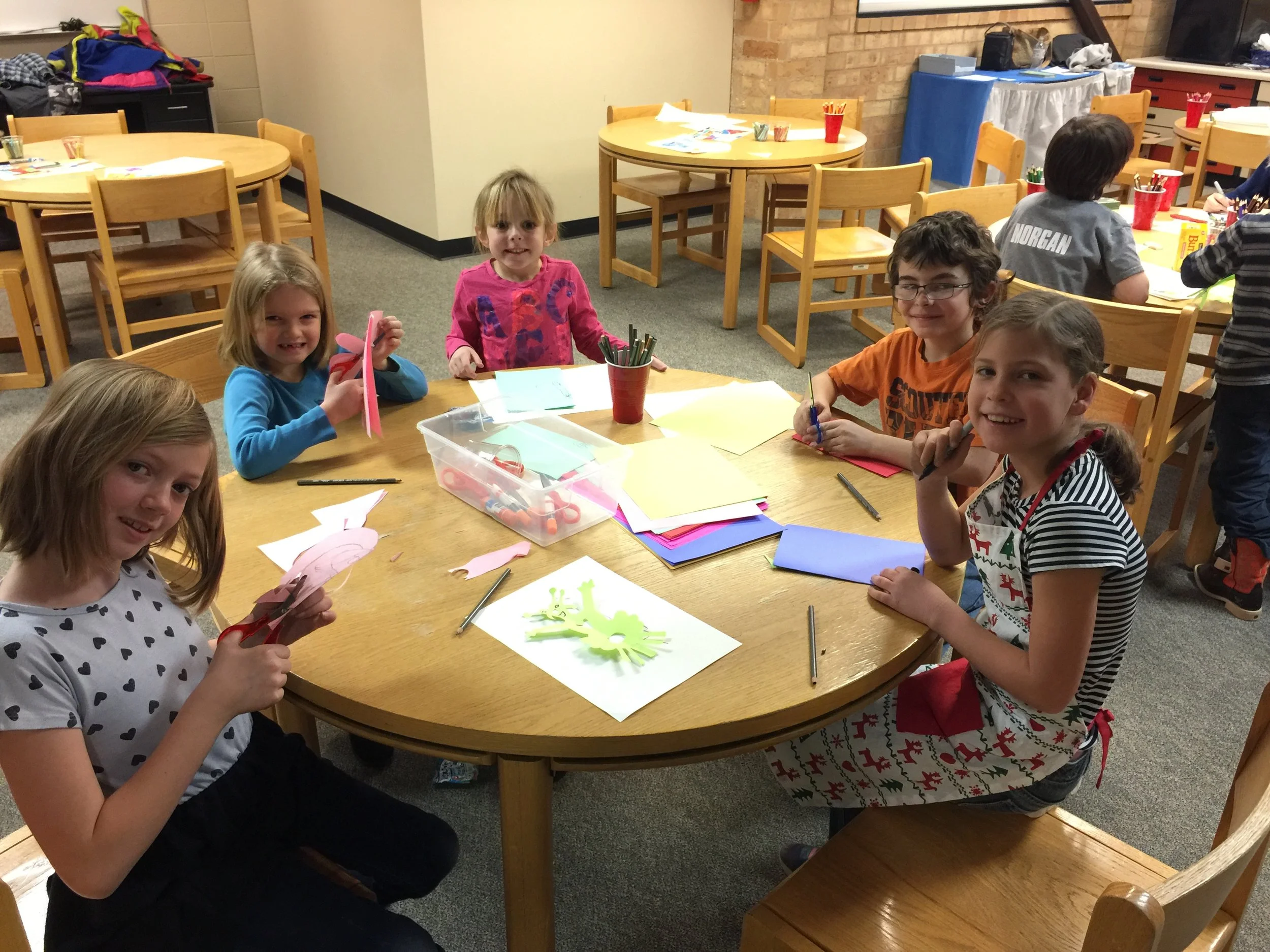
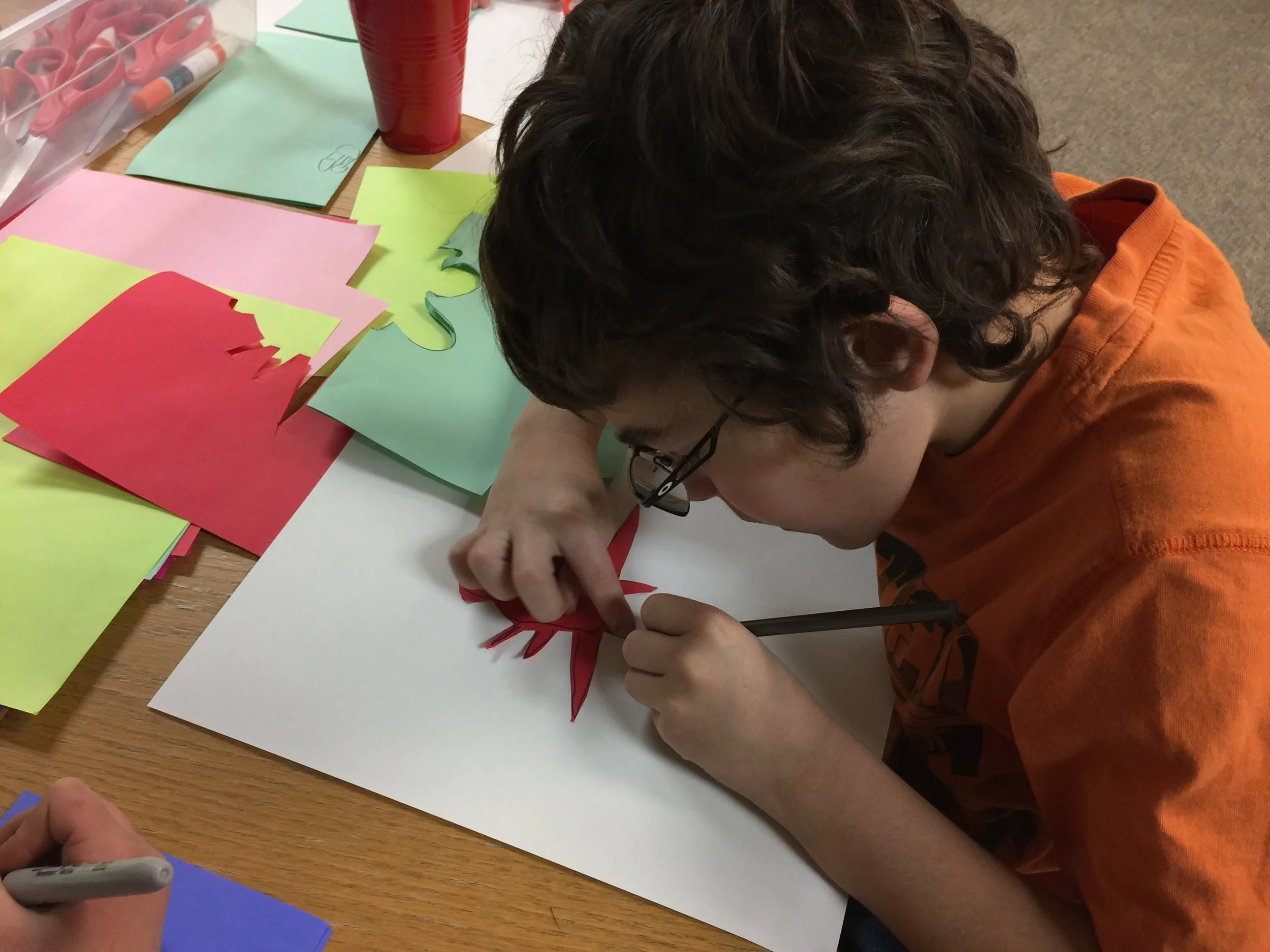
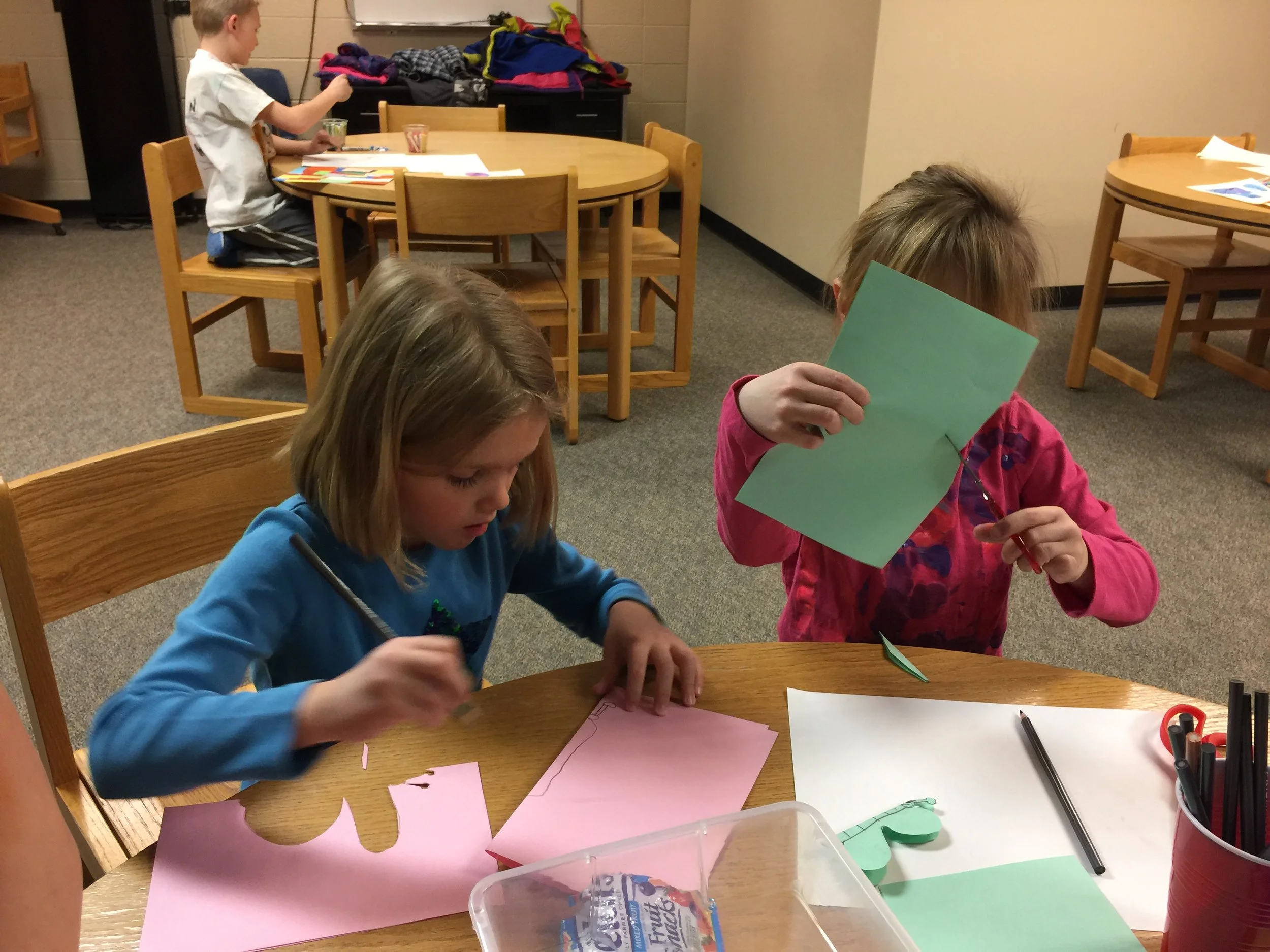
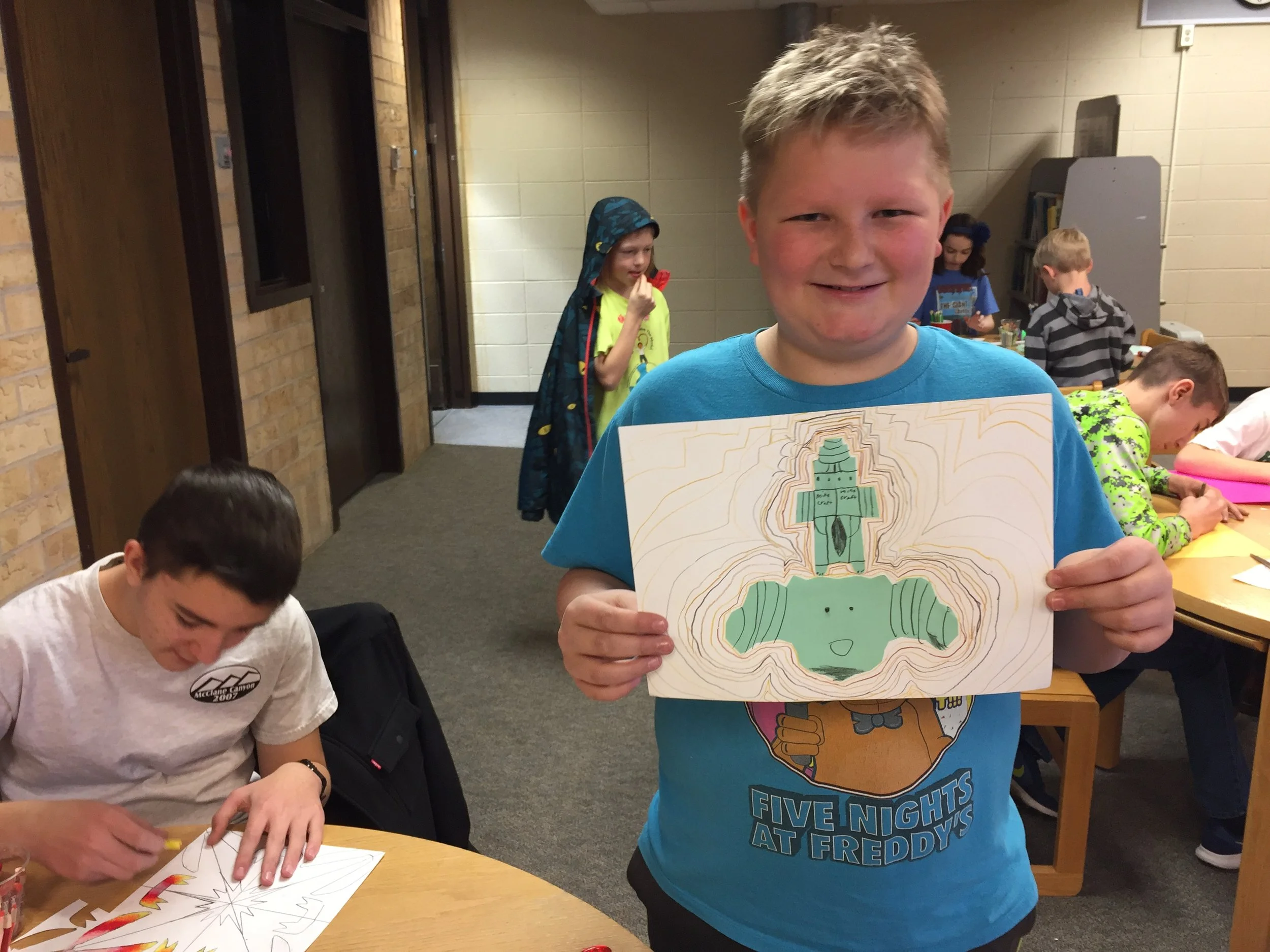
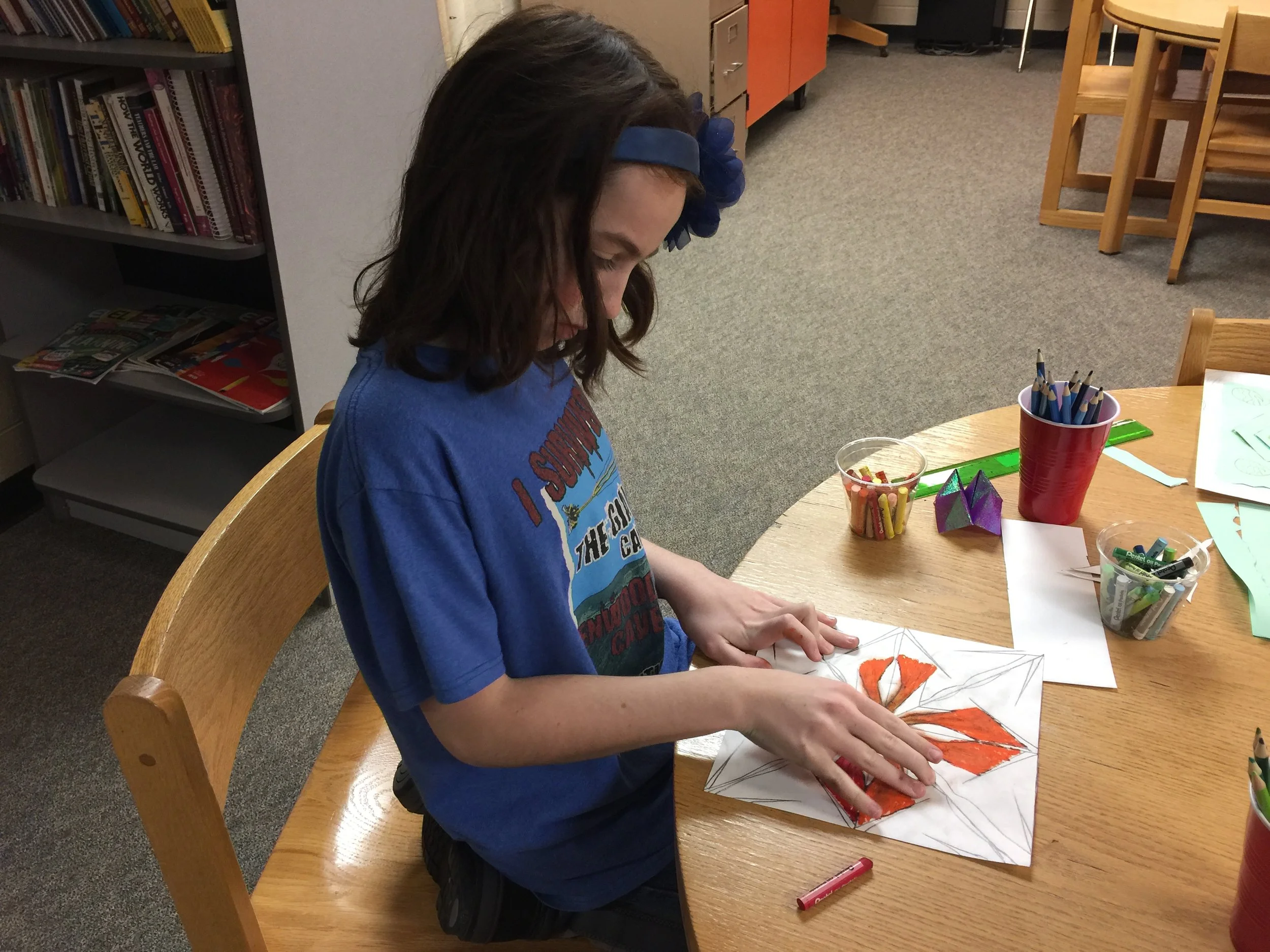
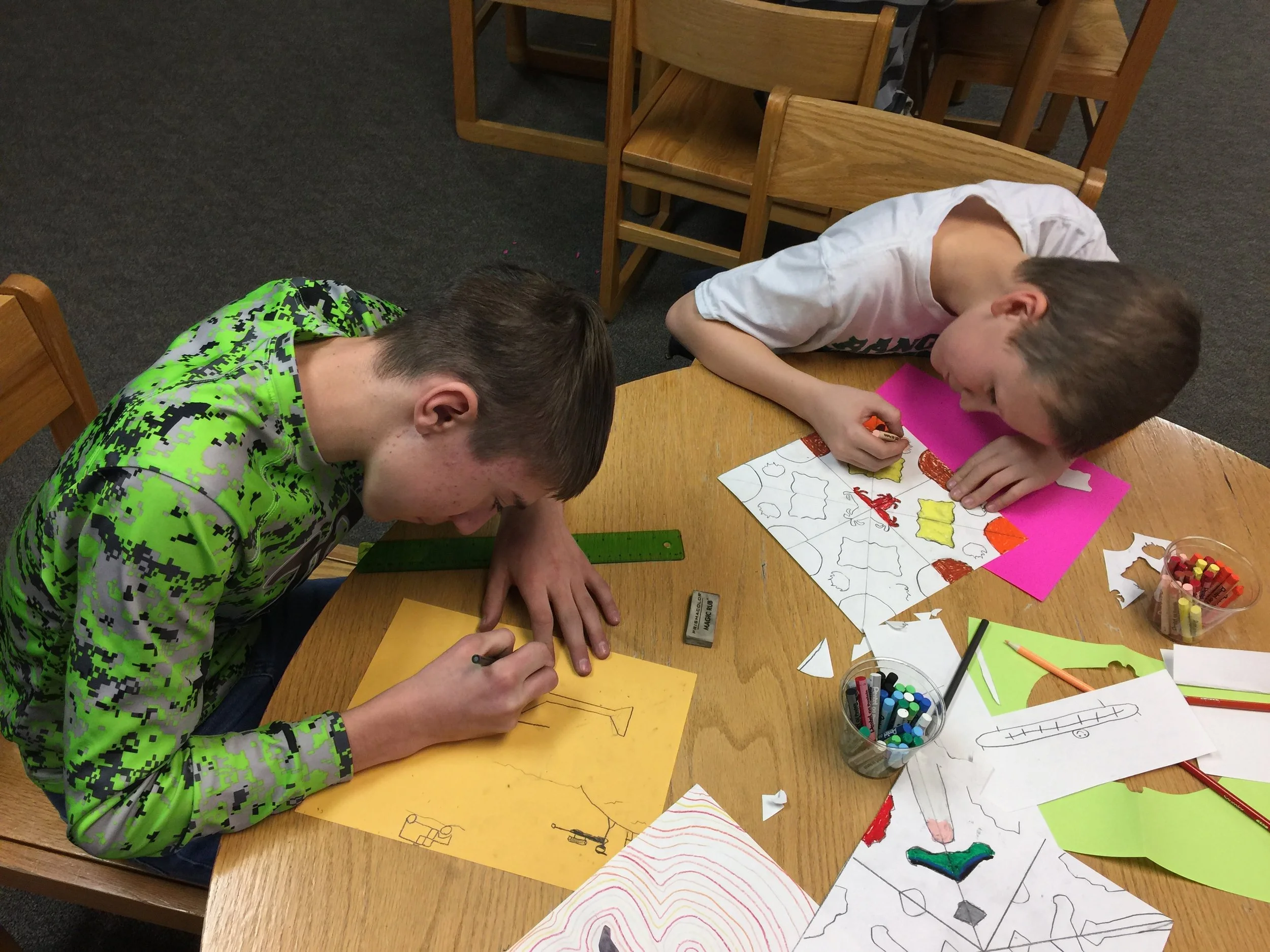
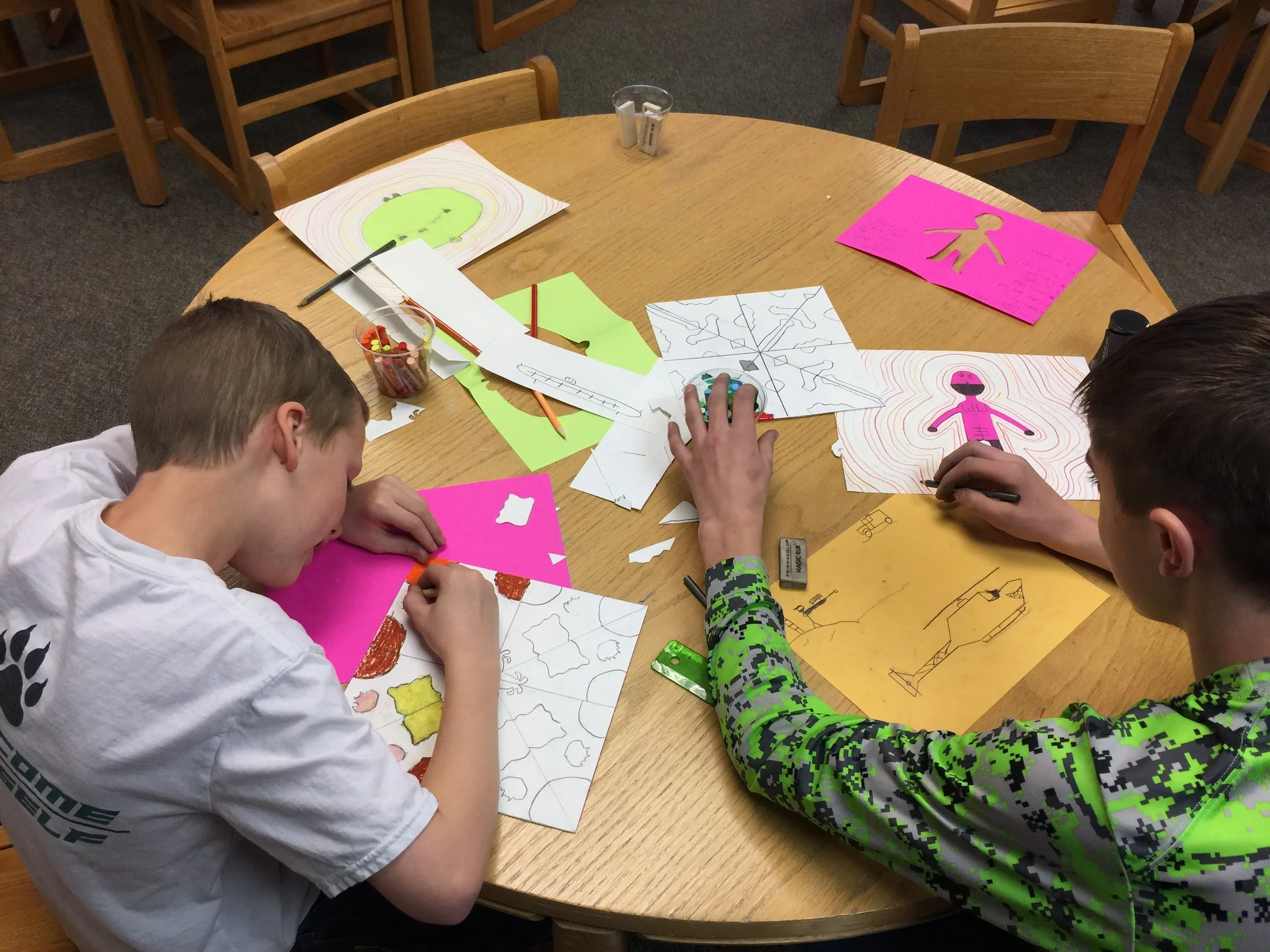
The program served grades 1–6, with age-grouped sessions for younger (1–4) and older (5–6) students. Over a series of four, two-hour sessions per group, students explored core art principles through a STEAM lens, connecting visual art to ideas like symmetry, anatomy, narrative, and structure. The goal was to give gifted and advanced learners both a visual vocabulary and a space to explore their ideas through hands-on, creative problem solving.
My Role
I designed the program from the ground up, pitched it to the school district, and delivered all instruction. This included developing the curriculum, planning age-appropriate projects, selecting materials, and adapting content for different grade levels. During class, I provided direct instruction, demonstrations, one-on-one coaching, and ongoing feedback. I also created take-home resources to help students and families extend learning beyond the classroom.
Key Components & Deliverables
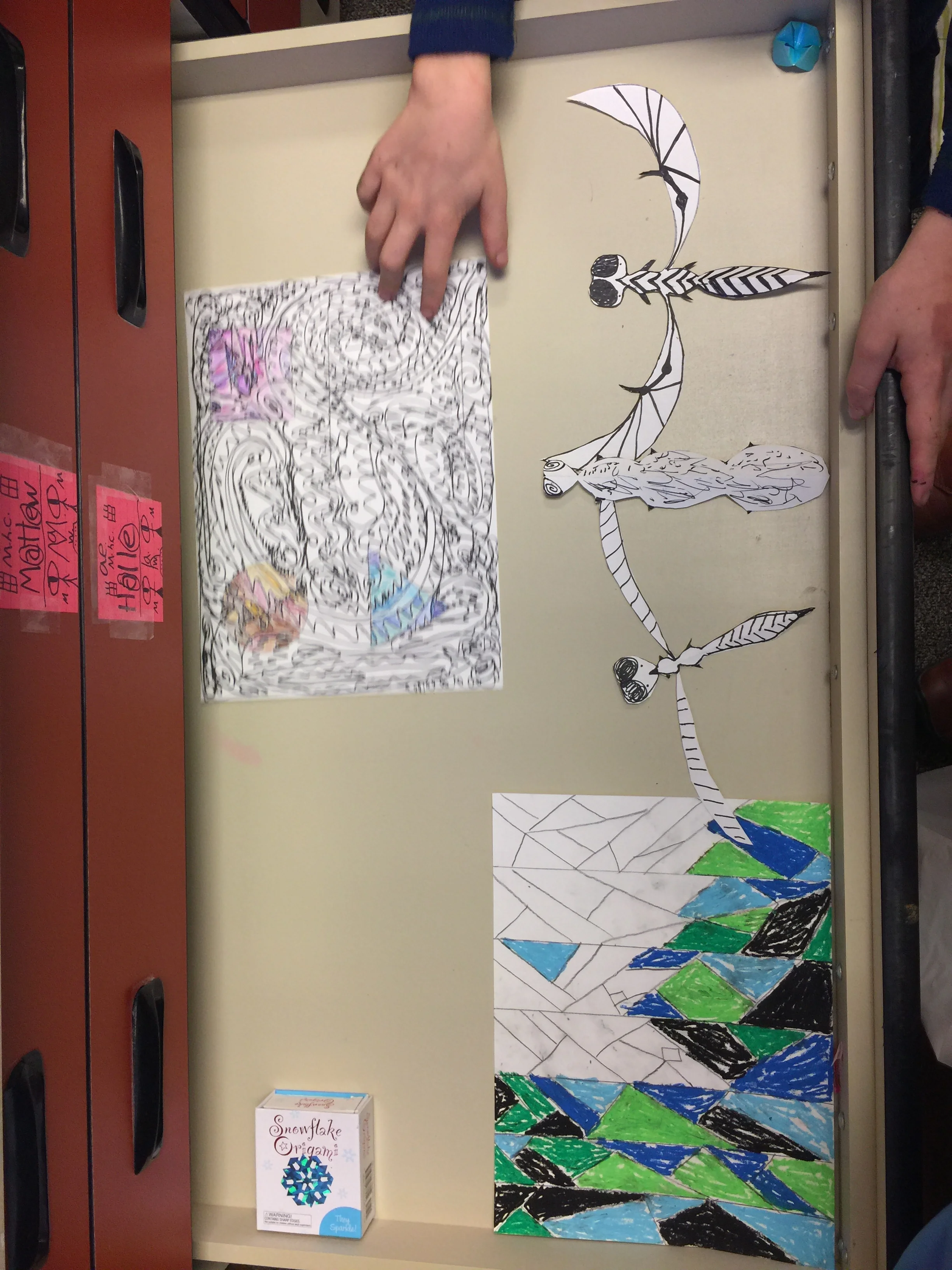
Designed a four-session curriculum per grade group built around STEAM-based themes such as symmetry, anatomy, and narrative.
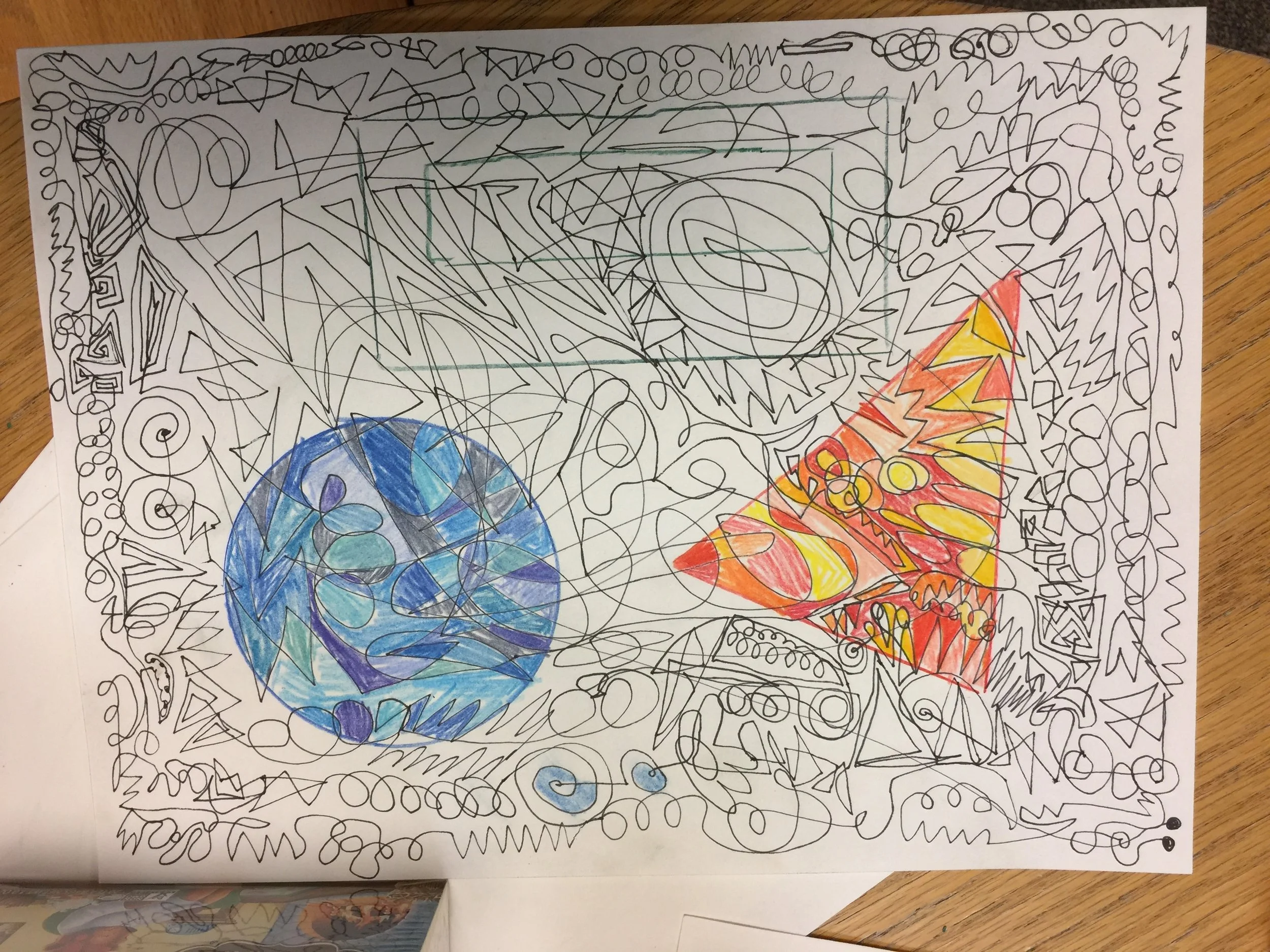
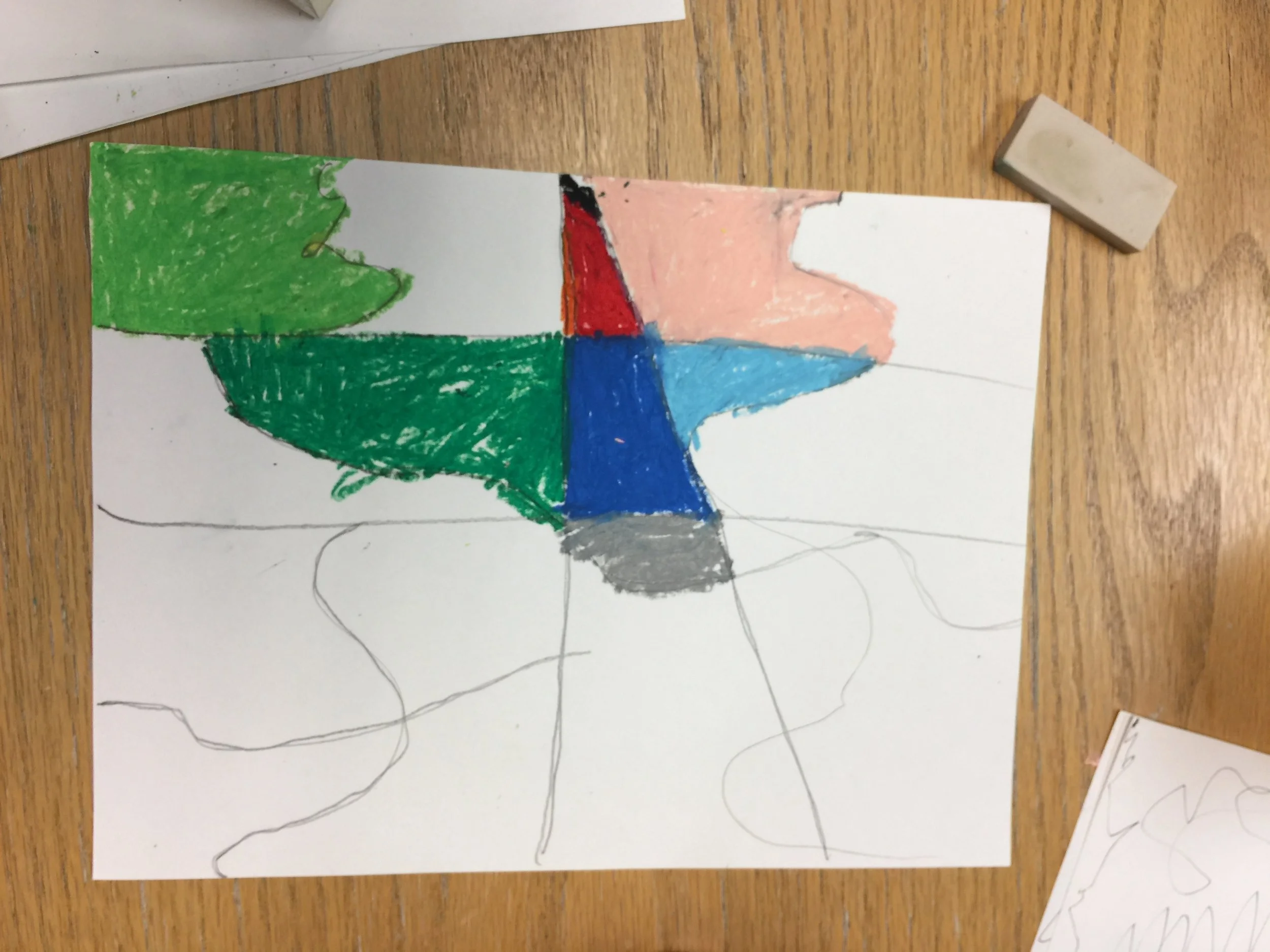
Introduced core elements and principles of design (line, shape, color, value, texture, balance, contrast, etc.).
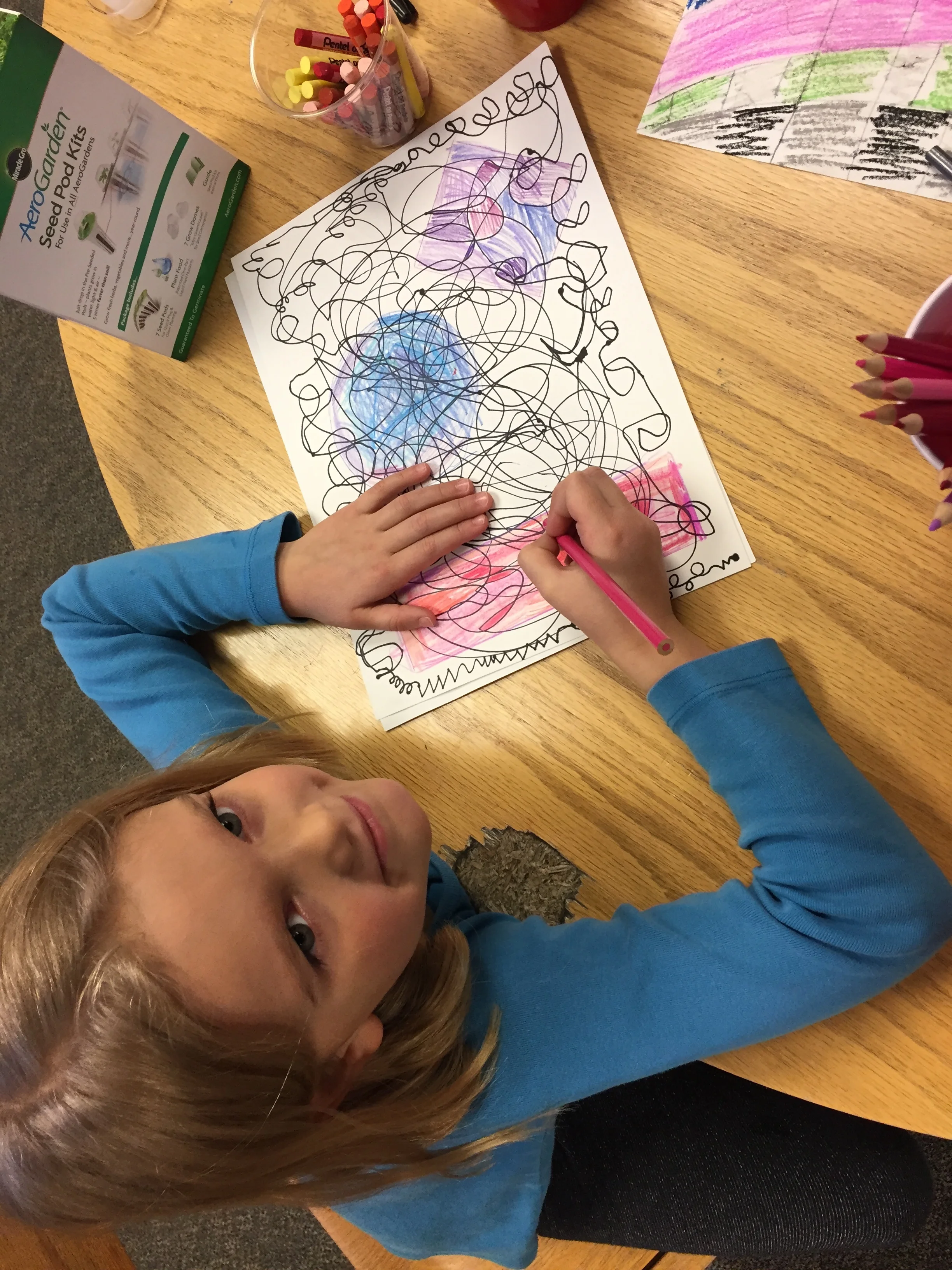
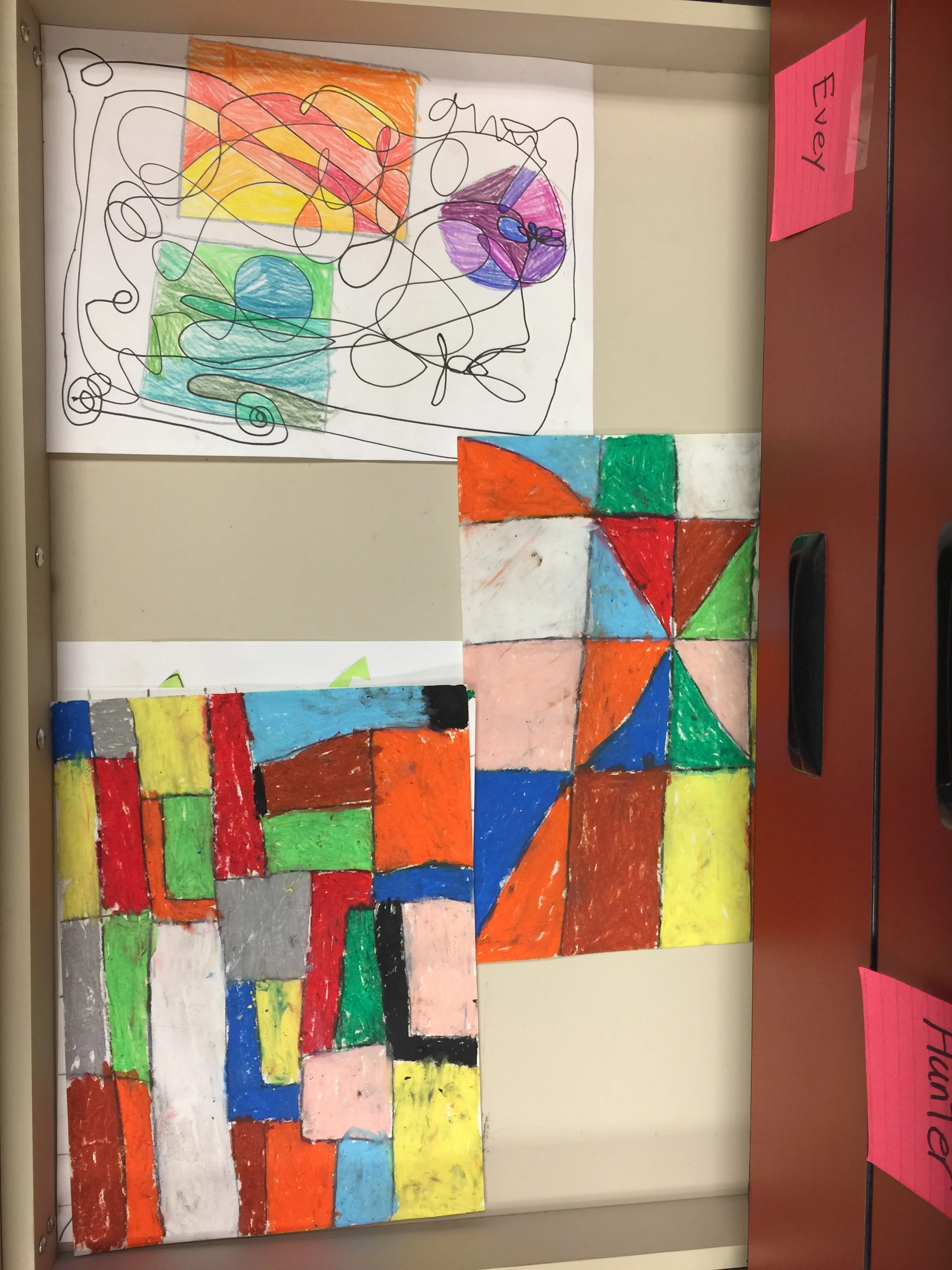
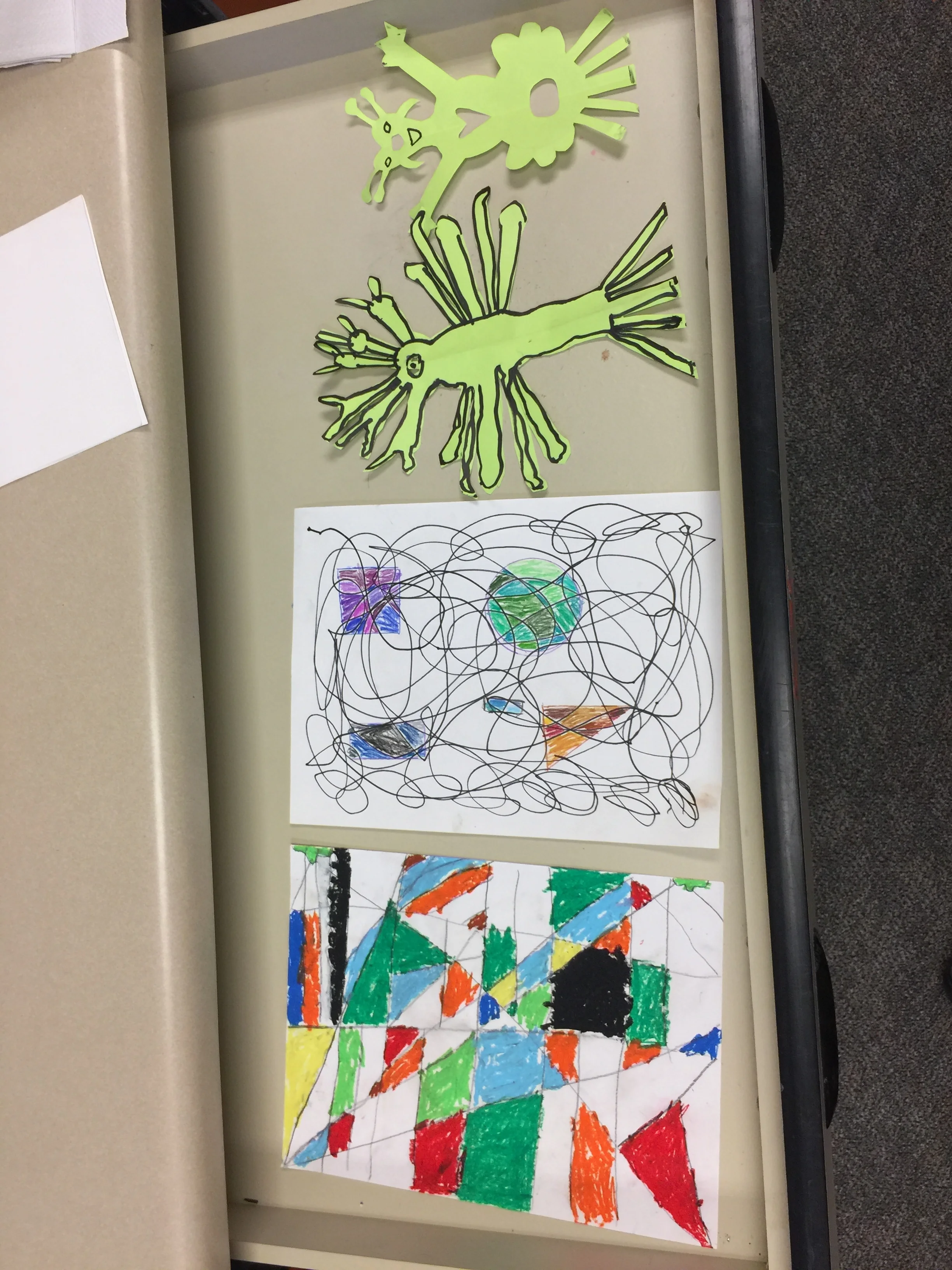
Taught material techniques including oil pastels, colored pencils, paint, color mixing, blending, composition, and basic three-dimensional work.
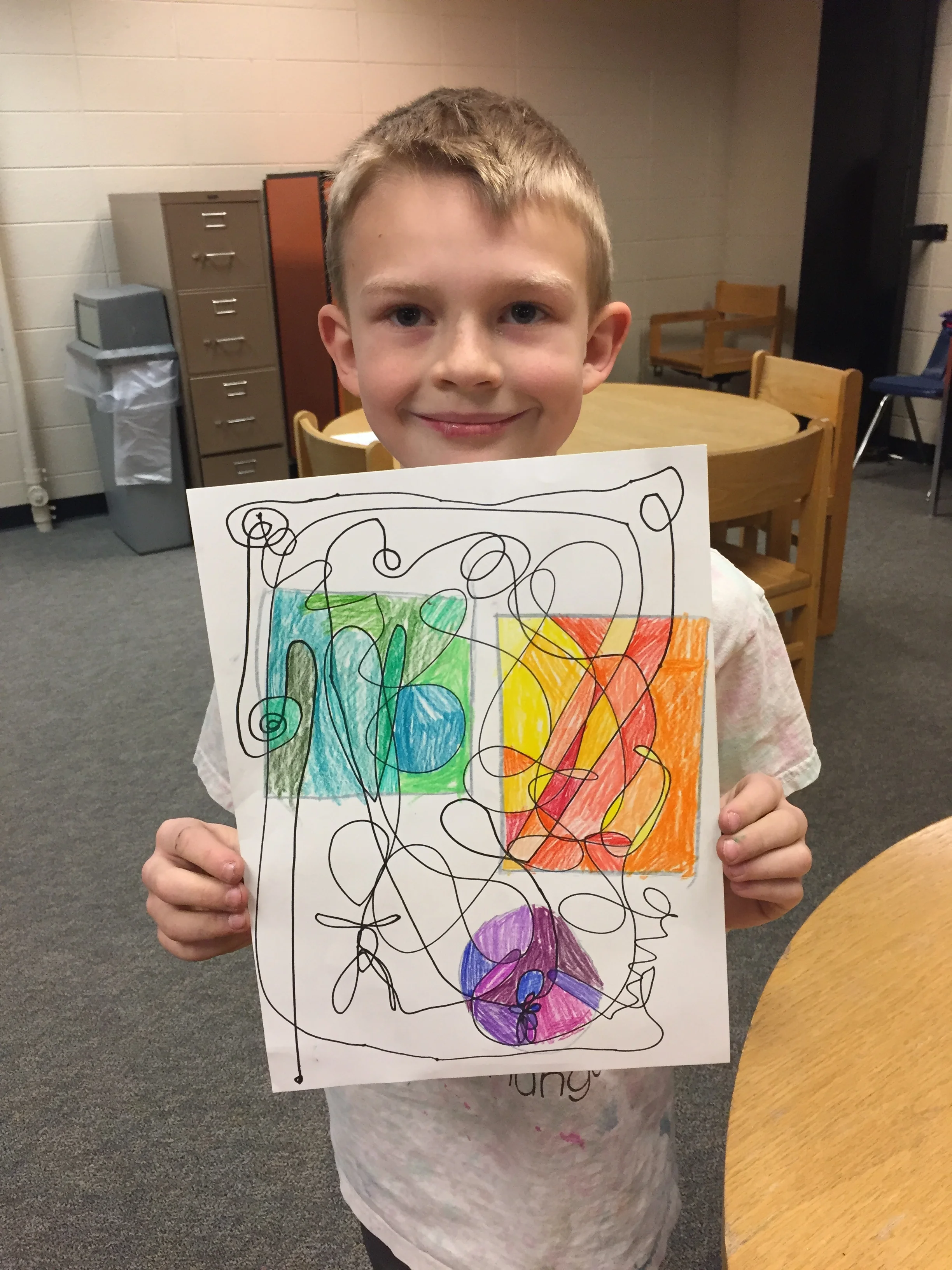
Structured classes so students could choose from project options, adapt assignments to their interests, and work at their own pace.
Provided individualized feedback, coaching, and problem-solving support.
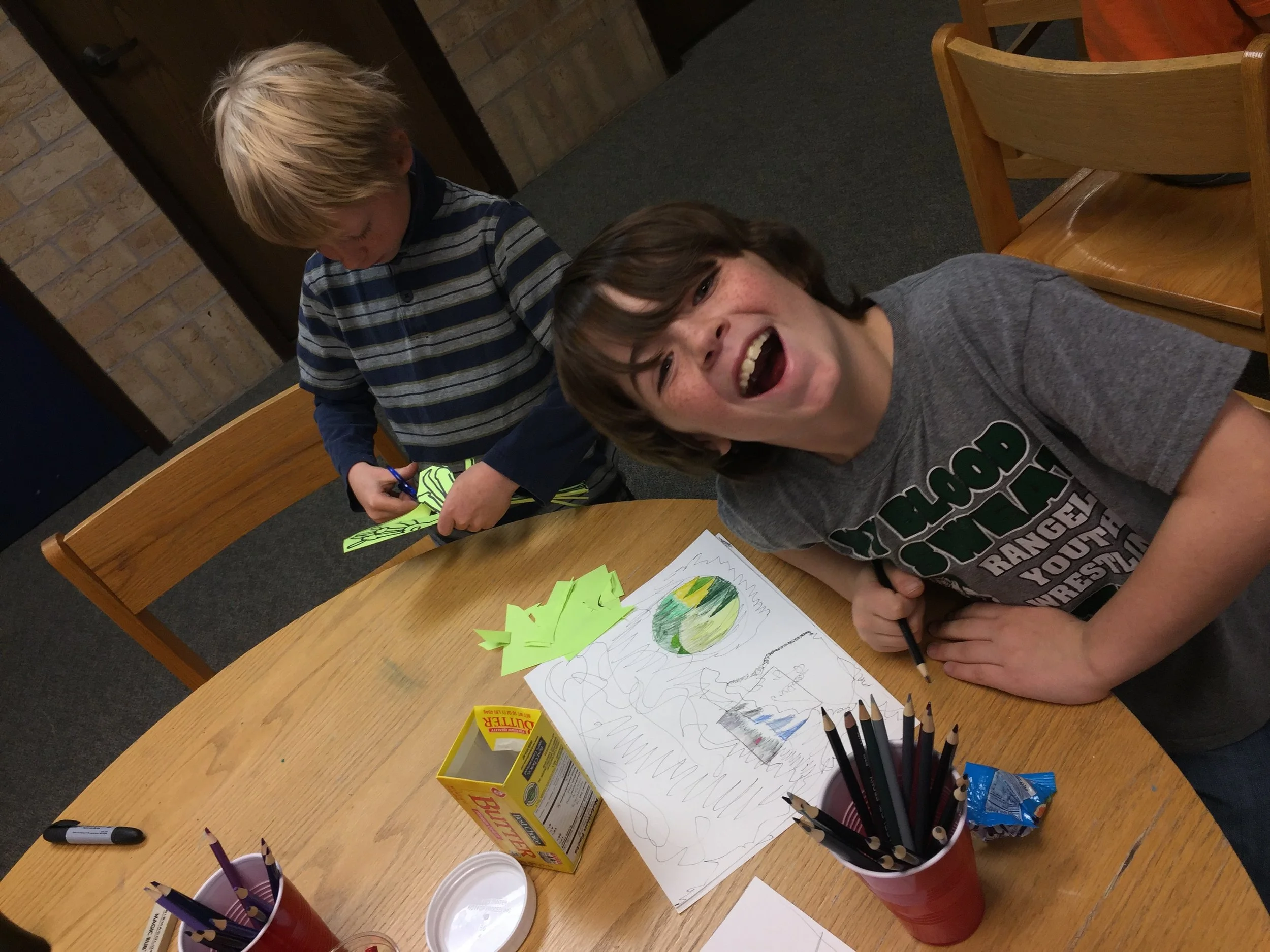
Created a classroom environment that emphasized exploration, personal voice, and creative confidence.
Impact & Significance
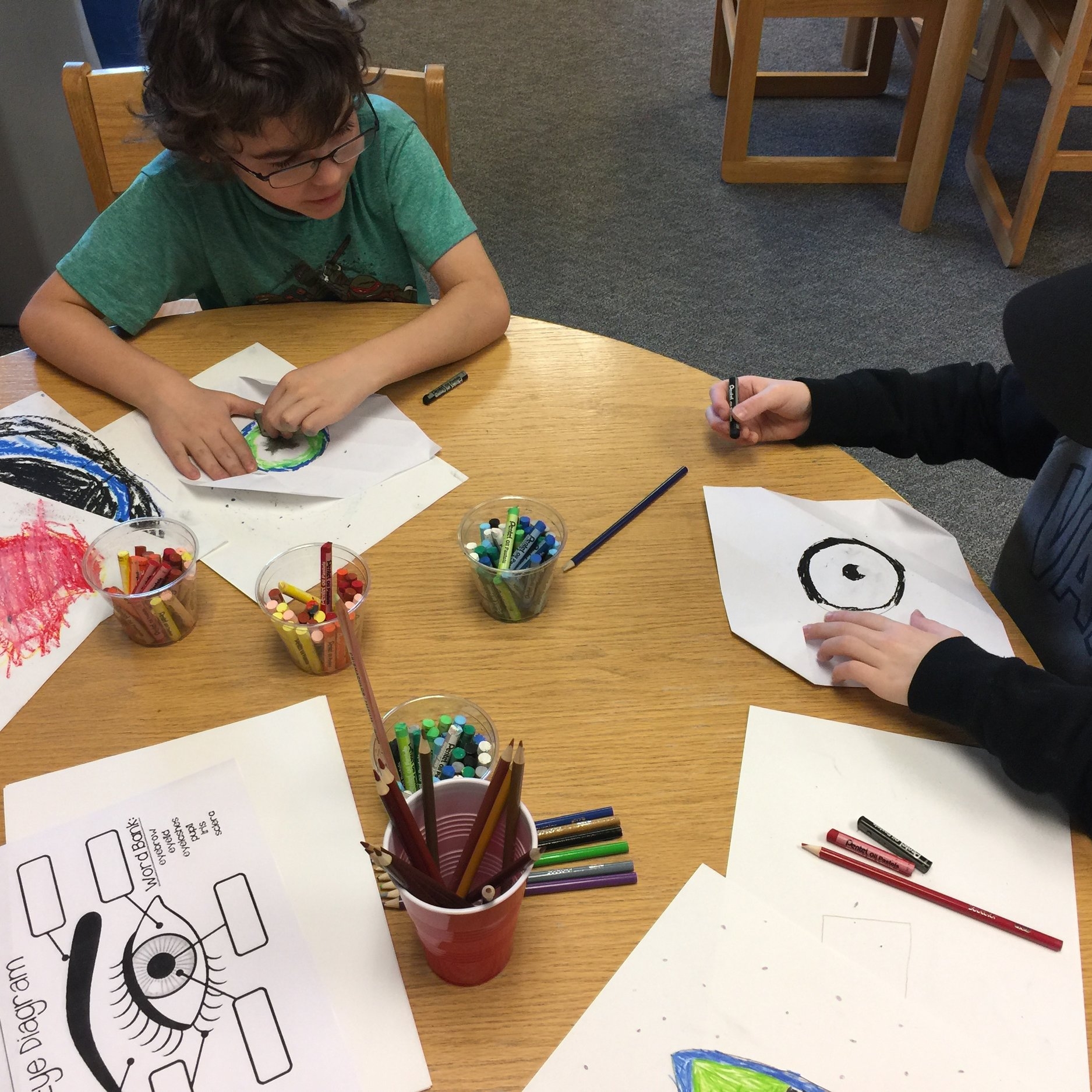
The STEAM Art Class gave gifted and advanced students a place to connect their intellectual curiosity with creative expression. Students developed confidence in making visual decisions, experimenting with materials, and solving problems in open-ended ways. With emphasis on choice and process, they learned that art is not about “right or wrong,” but about curiosity, interpretation, and communication.
The program strengthened students’ artistic confidence while offering teachers and families insight into how these learners think visually and creatively. It demonstrated how a modest enrichment investment can produce meaningful academic and emotional growth, and how STEAM-based learning supports both analytical and creative development.
Skills Demonstrated
Curriculum design and enrichment program development
Gifted learner instruction and differentiated teaching
STEAM integration linking art with conceptual STEM themes
Classroom management and instructional design
One-on-one coaching and creative mentoring
Collaboration with school leadership and alignment with district goals

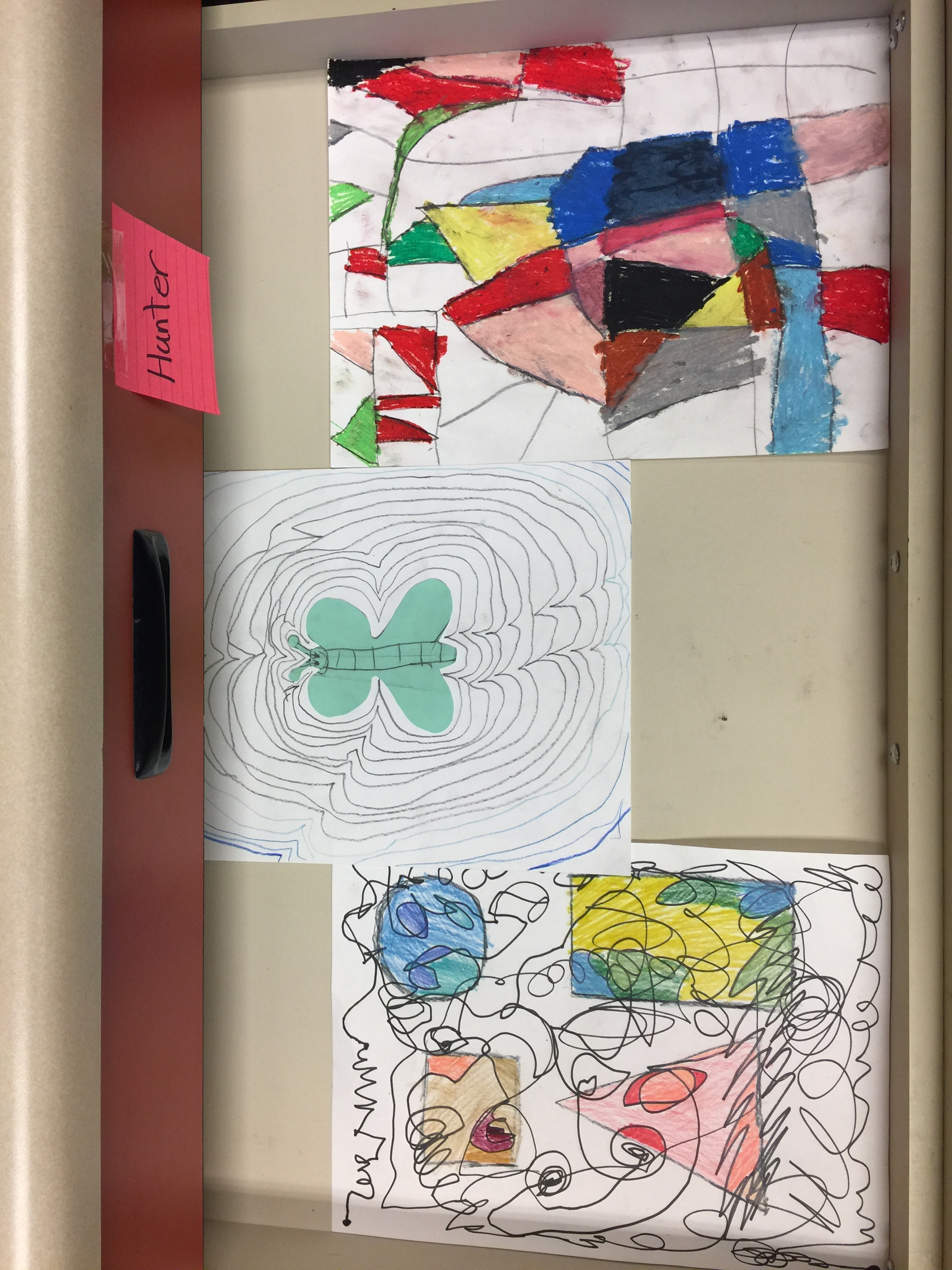
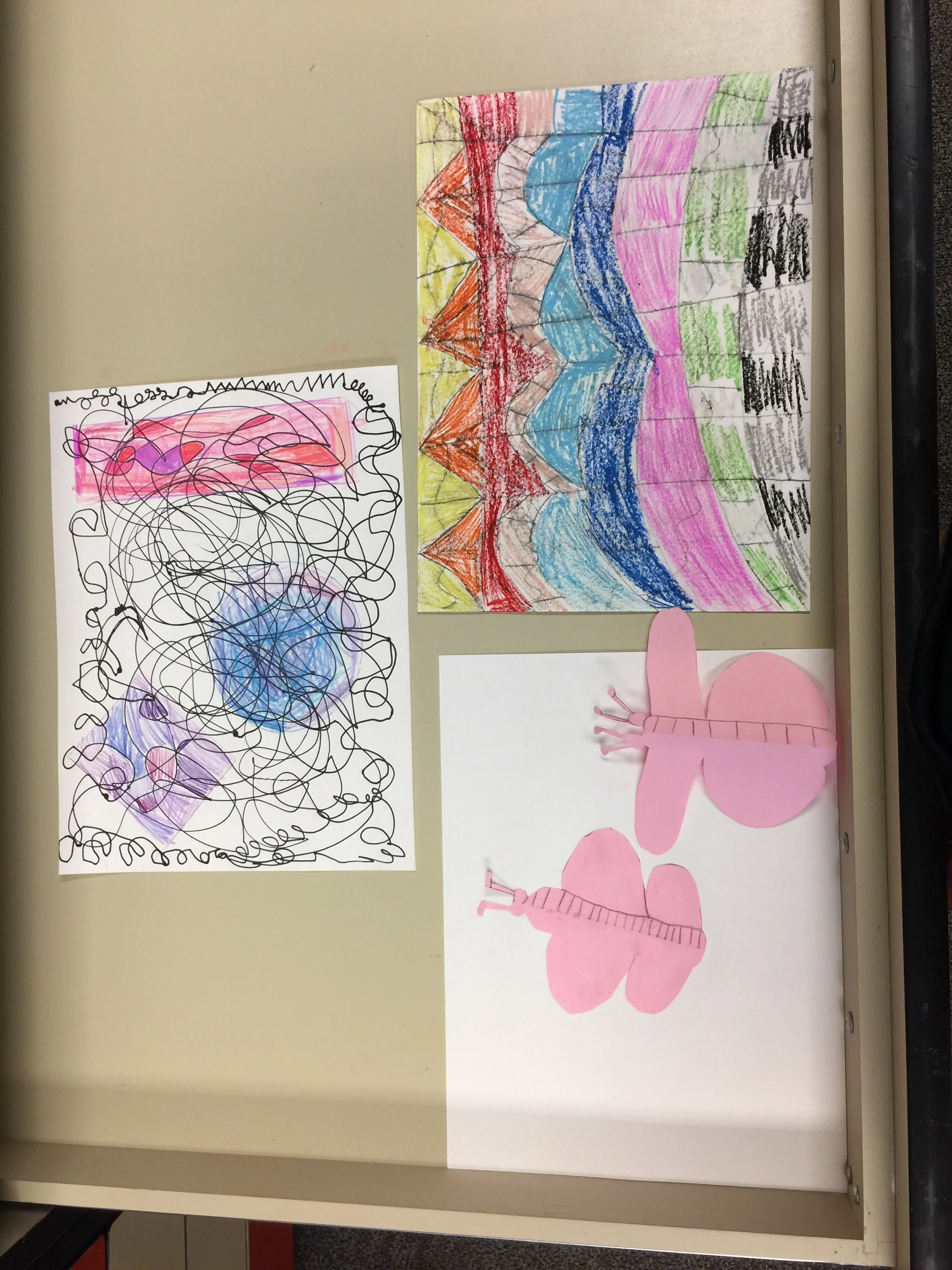
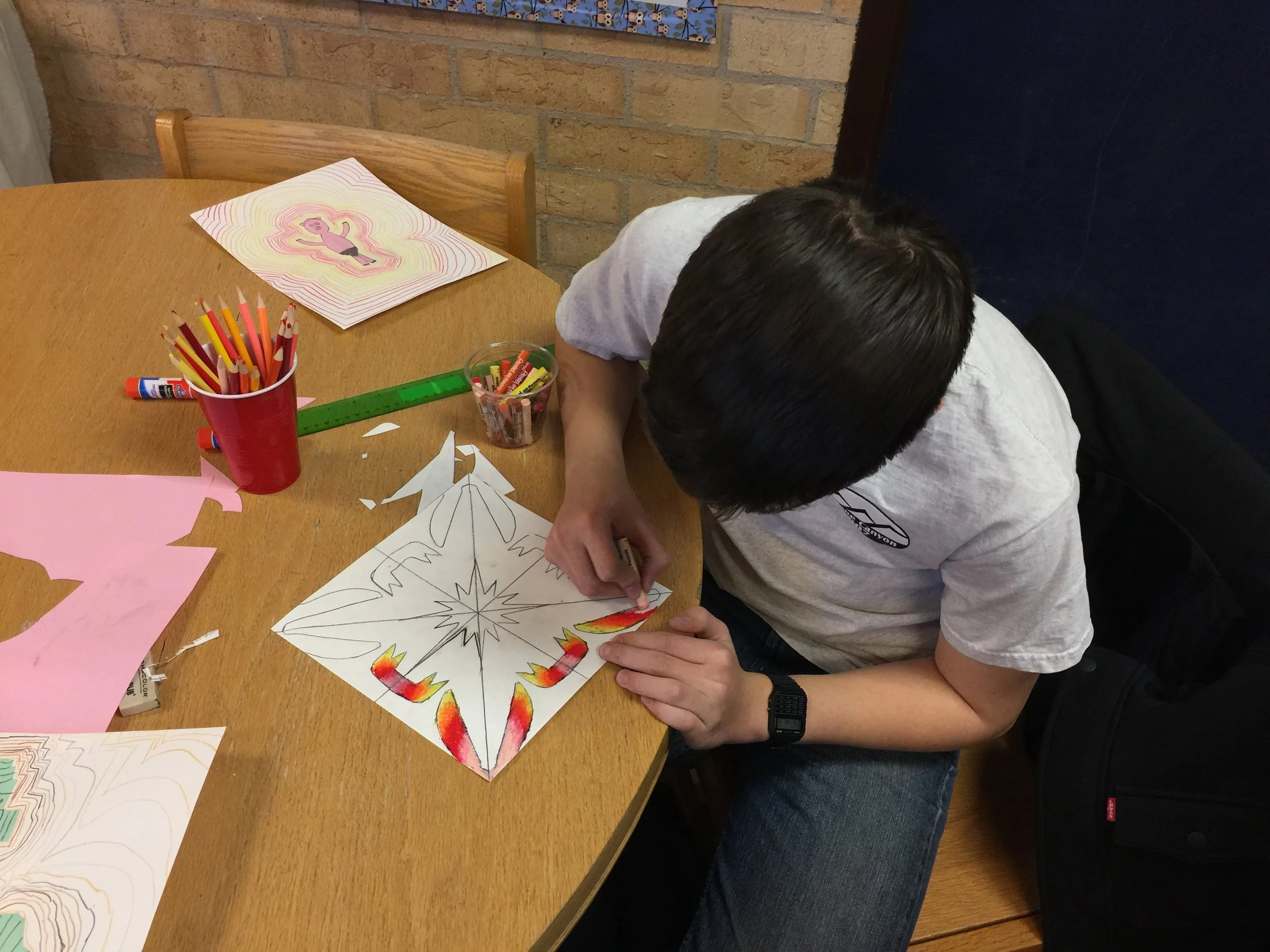
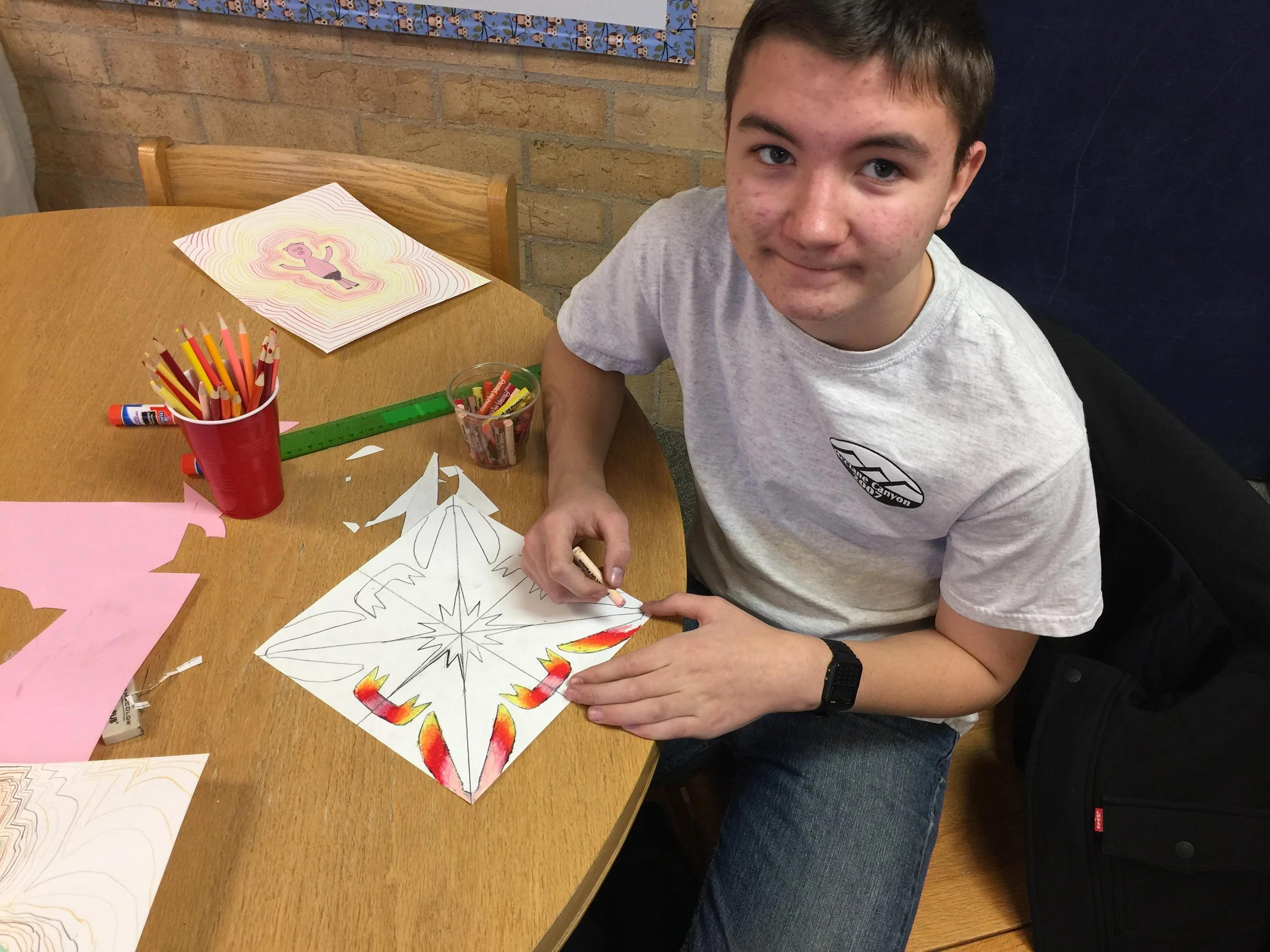
From The critical importance of STEAM education July 24, 2017 By Brenda Berg:
"STEAM education, currently introduced to individuals during their college years, is set up to teach students how to thinking critically, enabling them to problem solve effectively and use creative thinking to drive forward and complete projects using new methods, tried and tested solutions and using their own initiatives.
Ed Ballard from Australian Help that holds a PhD in engineering explains, “Critical thinking is a major part of society today that is regularly overlooked, especially in schools and colleges. Everyday society is facing new problems and obstacles that stand in the way of progress and it’s so important that the young people of today are developing critical thinking skills that will allow them to tackle these problems head on in an efficient and progressive manner”.
In more recent years, students are being introduced to the STEAM way of learning at primary and secondary learning years, allowing them to grow and develop these essential skills at a much faster rate. This means, as well as learning about the facts on the subject they are learning about, they are also taught to openly ask questions, how to experiment with new ideas and how to channel their creativity into something productive."